A Beginner's Guide to Effervescent Tablet Dietary Supplements: Zinc, Vitamin C, and Immunity
- Share
- publisher
- FORNUTRA
- Issue Time
- Jun 15,2026
Summary
Effervescent tablets offer a fizzy, convenient format for zinc and vitamin C supplementation. Discover how this delivery form fits into daily health routines.
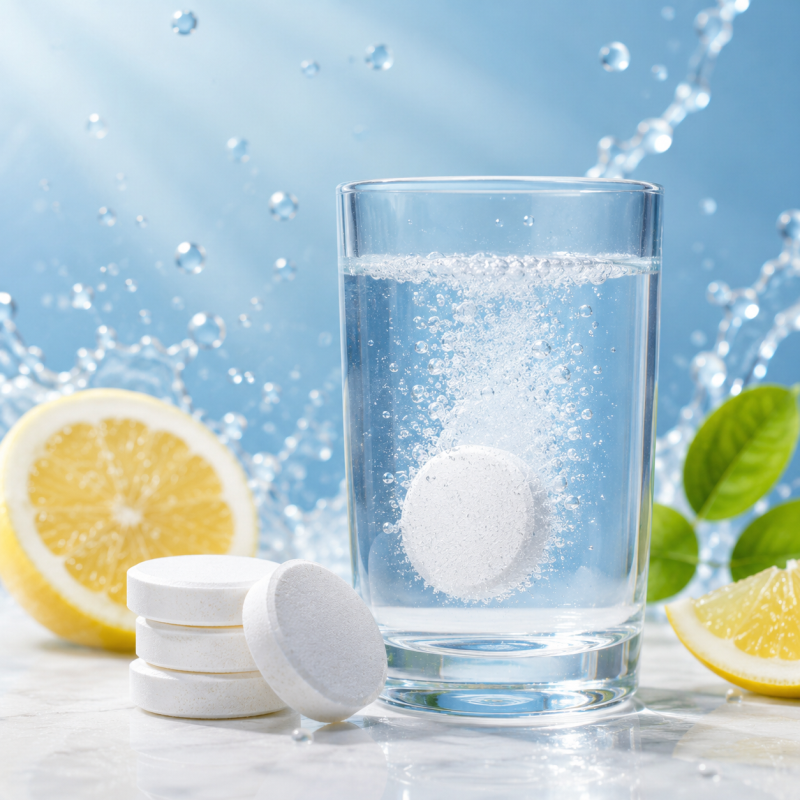
An effervescent tablet offers a convenient method for supplementing with zinc and vitamin C, crucial nutrients for immune support. This guide explores their benefits, dosages, and safety.
Boosting Our Defenses: The Power of Zinc and Vitamin C as an Effervescent Tablet Dietary Supplement
A strong immune system is our body's best defense, and sometimes, our daily diet might need a little extra support to keep us at our best. In the quest for robust health, two nutrients consistently stand out for their immune-boosting prowess: Vitamin C and Zinc. This guide will walk you through the amazing benefits of these powerhouse nutrients and why an effervescent tablet dietary supplement can be a convenient, effective, and refreshing way to boost your immunity and overall wellness. By dissolving in water, these tablets create a drink that's not only easy to consume but also gentle on the stomach and readily absorbed by the body.
Vitamin C: Our Body's Antioxidant Guardian
Vitamin C, also known as ascorbic acid, is arguably one of the most well-known nutrients on the planet, and for good reason. It's a water-soluble vitamin that plays a multifaceted role in keeping our bodies running smoothly. Unlike most animals, humans cannot synthesize their own Vitamin C, making it an essential component of our diet. Its primary role is as a powerful antioxidant, tirelessly working to protect our cells from damage.
Supporting White Blood Cells and Cell Protection
The immune system is a complex network, and white blood cells are its frontline soldiers. Vitamin C is crucial for these cells in several ways. First, it stimulates the production of key white blood cells like lymphocytes and phagocytes, which are responsible for identifying and destroying invading pathogens. Second, Vitamin C enhances the function of these cells, making them more effective at their job.
Perhaps most importantly, it protects them. During an infection, immune cells produce powerful substances called reactive oxygen species (ROS), or free radicals, to destroy germs. While effective, this process can also cause collateral damage to our own cells—a state known as oxidative stress. Vitamin C, as a potent antioxidant, steps in to neutralize these harmful free radicals by donating its own electrons, thereby stabilizing them and preventing them from damaging lipids, proteins, and even our DNA. This protective action keeps our immune cells healthy and ready for the next fight.
Crucial for Collagen and Skin Health
Beyond the immune system, our skin is our body's first line of defense against the outside world. This barrier is heavily dependent on a protein called collagen, which provides skin with its structure, firmness, and elasticity. Vitamin C is indispensable for collagen production. It acts as a critical cofactor for enzymes that are essential for stabilizing and cross-linking collagen fibers. Without adequate Vitamin C, collagen synthesis is impaired, leading to fragile skin, poor wound healing, and the classic signs of scurvy.
By promoting healthy collagen formation, Vitamin C not only supports skin's physical barrier function but also contributes to a more youthful appearance by reducing the appearance of wrinkles. Furthermore, as a potent antioxidant, Vitamin C protects the skin from UV-induced photodamage and environmental pollutants that can accelerate aging. It also plays a role in skin hydration by improving the skin's barrier function, which is crucial for retaining moisture.
Enhancing Iron Absorption
Iron is a mineral vital for creating hemoglobin, the protein in red blood cells that transports oxygen throughout the body. There are two forms of dietary iron: heme iron, found in animal products, and non-heme iron, found in plant-based foods. Heme iron is readily absorbed by the body, whereas non-heme iron is much less bioavailable.
This is where Vitamin C plays another critical role. Ascorbic acid significantly enhances the absorption of non-heme iron. It does this in two ways: It converts iron from its ferric (Fe3+) state to the more soluble ferrous (Fe2+) state, which is easier for our intestines to absorb. Additionally, it forms a soluble complex with iron, which prevents it from binding to dietary inhibitors like phytates (found in grains and legumes) that would otherwise hinder its absorption. This makes Vitamin C an especially important partner for individuals following vegetarian or vegan diets, helping them meet their iron needs and prevent iron-deficiency anemia.
Zinc: The Essential Mineral for Robust Immunity
While Vitamin C often gets the spotlight, Zinc is an equally critical, though perhaps less celebrated, player in immune health. This essential mineral is involved in hundreds of enzymatic reactions within the body and is a cornerstone of a well-functioning immune system. A deficiency in zinc can severely impair immune function, making the body more susceptible to infections.
Key for Cellular Immune Function
Zinc is fundamental for the normal development and function of a wide range of immune cells. Even a mild deficiency can significantly impair both the innate (first-line defense) and adaptive (specialized) immune responses.
Zinc's influence is particularly evident in the following areas:
- T-Cell Development and Function: T-cells are critical components of the adaptive immune system, responsible for coordinating immune responses and killing infected cells. Zinc is crucial for the maturation of T-cells in the thymus gland. A lack of zinc can cause this gland to shrink (thymic atrophy), leading to a sharp decrease in the production and function of T-cells. Zinc supplementation, on the other hand, can help restore thymus function and boost T-cell numbers.
- B-Cell Activation: B-cells produce the antibodies that neutralize pathogens. Zinc deficiency can lead to a reduction in B-cell numbers and compromise antibody production, particularly a type called immunoglobulin G (IgG).
- Natural Killer (NK) Cells: These are part of the innate immune system and act as rapid responders, destroying virally infected cells and tumor cells. Zinc deficiency has been shown to decrease the killing activity of NK cells, while adequate zinc levels and supplementation can enhance their cytotoxic function.
Essentially, zinc acts as a gatekeeper for cellular immunity. It's required for basic cellular processes like cell division and differentiation, and it also functions as a signaling molecule within immune cells, helping to regulate their activation and response to threats. When zinc levels are low, the immune system's ability to mount an effective defense is severely compromised.
Helping Shorten Cold Duration
One of the most well-researched benefits of zinc supplementation is its effect on the common cold. While evidence suggests that zinc may not prevent you from catching a cold, it can play a significant role in reducing its duration and severity.
The key to this effect seems to be using zinc lozenges that dissolve slowly in the mouth, started within 24 hours of the first symptoms. The proposed mechanisms for this are:
- Local Antiviral Action: When dissolved in the mouth and throat, zinc ions are released. It is believed that these ions can directly inhibit the replication of rhinoviruses, the most common culprits behind the cold. They may also interfere with the ability of the virus to bind to receptors in the nasal and throat passages, preventing it from taking hold.
- Reduced Inflammation: Zinc helps regulate the inflammatory response. Part of what makes us feel miserable during a cold is the inflammation in our upper respiratory tract. By modulating this response, zinc may help lessen the severity of symptoms like a sore throat and nasal congestion.
Multiple systematic reviews and meta-analyses have looked at this topic. While individual study results can vary, the overall consensus is that zinc lozenges, particularly zinc acetate or zinc gluconate, at a high enough dose (typically over 75 mg of elemental zinc per day) can shorten the duration of a cold by one to three days.
Beyond Immunity: Role in Healing and Metabolism
Zinc's importance extends far beyond its direct role in immunity, touching nearly every aspect of our physiological function.
- Wound Healing: Zinc is critically involved in every phase of the wound healing process. It is essential for cell division and protein synthesis, which are necessary to regenerate tissue. Zinc also regulates inflammation, helps control the risk of bacterial infection, and plays a key role in the synthesis and remodeling of collagen, the protein that gives new skin its strength. Both zinc deficiency and supplementation have shown clear links to the speed and quality of wound repair.
- Enzymatic Functions: Zinc is a catalytic cofactor for over 300 enzymes in the human body, meaning it is required for these enzymes to perform their specific jobs. These enzymes are involved in all major metabolic pathways, including the synthesis and breakdown of carbohydrates, lipids, and crucially, proteins. Zinc-dependent enzymes are also vital for DNA synthesis and gene expression.
- Metabolism and Growth: Through its role in enzymatic reactions and protein synthesis, zinc is fundamental to physical growth and development. It is also involved in glucose and lipid metabolism. Some studies suggest a link between zinc levels and insulin resistance, with zinc contributing to the proper function and expression of insulin. Its antioxidant properties also help protect against the oxidative stress associated with metabolic disorders.
The Dynamic Duo: Why We Should Take Them Together
While Vitamin C and Zinc are each powerful defenders of the immune system on their own, they work even better as a team. They support immune function through different, yet complementary, mechanisms, creating a synergistic effect that offers more comprehensive protection than either nutrient could provide alone.
Here’s how they create a powerful partnership:
- Comprehensive Immune Support: Vitamin C and Zinc cover different bases of the immune response. Vitamin C acts as a powerful antioxidant, protecting immune cells from damage, enhancing their function, and supporting the body's physical barriers like the skin. Zinc, meanwhile, is fundamental for the very development, communication, and activation of key immune cells like T-cells and B-cells. Together, they ensure the immune system is both well-equipped and well-defended.
- Enhanced Bioavailability: Some evidence suggests that Vitamin C may improve the absorption of zinc in the intestines. This means that taking them together can help your body get more out of the zinc you consume.
- Fighting Infections: During an infection, the body's demand for both nutrients increases, and levels can decline rapidly. Studies have shown that a combined intake of Vitamin C and Zinc can be effective in reducing the duration and severity of respiratory infections, like the common cold. By working together, they help strengthen the body's resistance and support a quicker recovery.
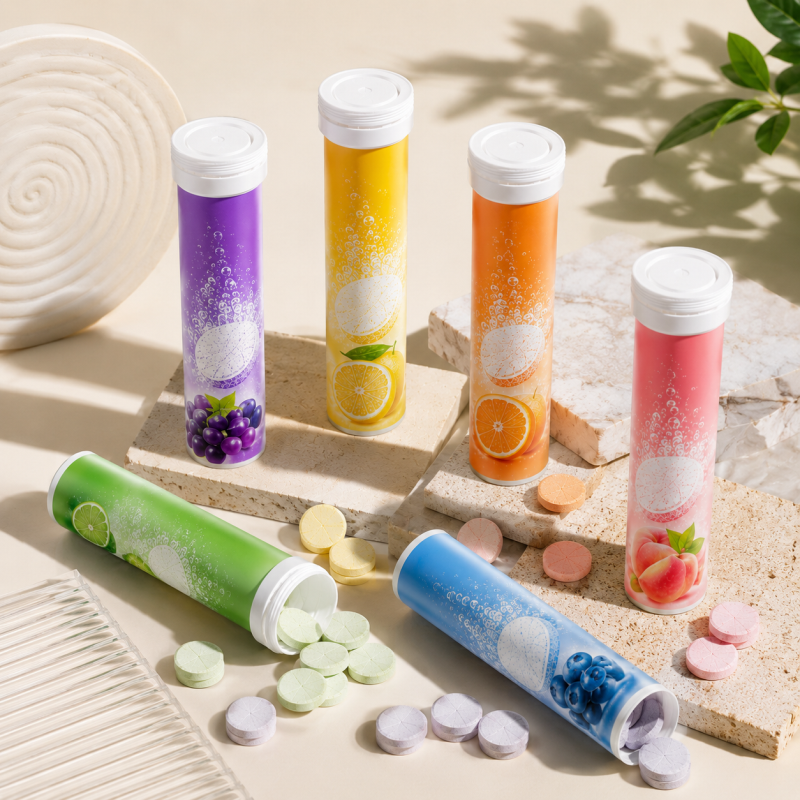
Smart Supplementation: Optimal Dosing and Timing for Your Effervescent Tablet Dietary Supplement
Navigating the world of supplements can be confusing, but understanding the right amounts and the best times to take them can make all the difference. For an effervescent tablet dietary supplement containing Zinc and Vitamin C, optimizing your intake helps ensure you get the maximum benefit for your immune health, especially when you feel you need it most. It's not just about taking the supplement, but about taking it smartly.
Understanding Recommended Daily Allowances
Before considering higher doses for specific challenges, it's essential to know the baseline recommendations for daily intake. These guidelines are established to prevent deficiency and maintain overall health in the general population.
Vitamin C: Baseline Needs
The Recommended Dietary Allowance (RDA) for Vitamin C is the average daily intake sufficient to meet the nutrient requirements of nearly all healthy individuals. According to the U.S. Food and Nutrition Board, the RDA for adults is:
- 90 mg per day for men
- 75 mg per day for women
These requirements increase for pregnant and breastfeeding women (85-120 mg) and for individuals who smoke (an additional 35 mg per day) due to increased oxidative stress. While many people can meet this baseline through a diet rich in fruits and vegetables, supplements can help ensure consistent intake. The Tolerable Upper Intake Level (UL) for adults, meaning the highest daily intake unlikely to pose health risks, is set at 2,000 mg (or 2 grams) per day.
Zinc: Meeting Our Daily Requirements
Similar to Vitamin C, zinc has established daily intake recommendations to ensure proper physiological function. The adult RDAs are:
- 11 mg per day for men
- 8 mg per day for women
These amounts increase to 11-12 mg for pregnant and lactating women. Vegetarians may also require more zinc, as the zinc from plant-based foods is less bioavailable due to the presence of phytates, which can inhibit absorption. Most people in the United States get enough zinc through their diet, which includes foods like meat, shellfish, legumes, and seeds.
The Tolerable Upper Intake Level (UL) for adults for zinc is 40 mg per day from all sources, including food and supplements. Consuming more than this on a long-term basis can be harmful.
Targeting Immune Challenges: When We Might Need More
While the RDA is sufficient for daily maintenance, there are times, such as during an active infection, when our bodies are under increased stress and may benefit from higher, short-term doses of these nutrients.
Higher Dose Vitamin C for Colds
Research on using Vitamin C for colds has a long and sometimes conflicting history. While regular daily supplementation doesn't seem to prevent colds in the general population, taking higher doses once symptoms begin may help. During an infection, the body's demand for Vitamin C increases significantly.
Some studies have shown that therapeutic doses of Vitamin C, often in the range of 1,000 to 2,000 mg (1-2 grams) per day, may help shorten the duration of cold symptoms, although the effect is often modest. A Cochrane review noted that regular supplementation reduced cold duration by 8% in adults and 14% in children. Other studies have explored even higher doses, such as 6-8 grams per day, suggesting a more significant dose-response relationship in reducing cold duration. However, results are inconsistent across all studies.
Zinc Lozenges for Acute Symptoms
For dealing with a cold that has already started, zinc lozenges are the most effective form of supplementation. Similar to Vitamin C, timing is critical: zinc is most effective when started within the first 24 hours of symptoms.
Research consistently points to the following for best results:
- Formulation Matters: Zinc acetate and zinc gluconate lozenges have shown the most promise in clinical trials. It's important to choose formulations that do not contain ingredients like citric acid, which can bind to zinc ions and make them less effective.
- Effective Dosage: The most consistent results come from studies using a total daily dose of 75 mg or more of elemental zinc. This is typically achieved by dissolving one lozenge containing 10-25 mg of zinc in the mouth every 2-3 hours while awake. Doses above 100 mg per day have not shown greater benefits.
- Mechanism of Action: Lozenges work locally in the throat and mouth. The released zinc ions are thought to interfere with viral replication and reduce inflammation in the upper respiratory tract, which can help alleviate symptoms like sore throat, nasal congestion, and cough.
Best Practices for Taking Your Supplements
To get the most out of your effervescent tablet supplement, consider how and when you take it. Simple adjustments can improve absorption and comfort.
Considering Empty Stomach vs. Food
The question of whether to take supplements with or without food depends on the nutrient.
- Vitamin C: Being a water-soluble vitamin, Vitamin C can be absorbed effectively on an empty stomach. In fact, taking it this way, such as 30 minutes before a meal, may lead to quicker and more efficient absorption because there are no other nutrients competing for uptake. However, due to its acidic nature (ascorbic acid), higher doses can sometimes cause gastrointestinal discomfort or an upset stomach. If this occurs, taking it with a light meal can help buffer the acidity and improve tolerance.
- Zinc: Zinc, on the other hand, is notorious for causing nausea or stomach irritation when taken on an empty stomach. This is due to direct irritation of the stomach lining. For this reason, it is almost always recommended to take zinc supplements with a meal or a snack. While this might slightly reduce the absolute absorption rate compared to an empty stomach, the improved tolerability ensures you can take it consistently without discomfort, which is far more important for long-term benefit.
For an effervescent tablet combining both, taking it with a light meal is the safest bet to avoid any potential stomach upset from the zinc content.
Starting Early for Best Results
When it comes to fighting off a cold, timing is everything. Research on both Vitamin C and zinc shows that their therapeutic effects are most pronounced when supplementation begins right at the onset of symptoms, ideally within the first 24 hours. Waiting until you are in the full throes of a cold significantly diminishes their effectiveness.
The reason for this is that both nutrients work to interfere with viral replication and support the initial immune response. Once the virus is well-established and has replicated extensively, the window for this early intervention has passed. Therefore, having your effervescent supplement on hand and ready to take at the very first sign of a scratchy throat or sniffle gives your body the best chance to shorten the duration and lessen the severity of the illness.

Staying Safe: Navigating Potential Side Effects and Interactions with Your Effervescent Tablet Dietary Supplement
While Vitamin C and Zinc are essential nutrients that are generally safe for most people, "more" is not always better. It is crucial to be aware of the Tolerable Upper Intake Levels (UL) and potential side effects associated with high doses. Understanding these risks, along with potential interactions with medications, allows for safe and effective supplementation. Consulting a healthcare provider is always the best course of action before beginning any new supplement regimen.
Being Aware of Common Side Effects
High doses of both Vitamin C and Zinc can lead to uncomfortable side effects. Being aware of these can help you adjust your dosage and use them safely.
Vitamin C: Gastrointestinal Comfort and Kidney Stones
Vitamin C is water-soluble, meaning your body excretes what it doesn't use. This makes it generally safe, even in high doses. However, exceeding the Tolerable Upper Intake Level (UL) of 2,000 mg per day can lead to side effects.
- Gastrointestinal Distress: The most common side effect of high vitamin C intake is digestive upset. When you consume more than your body can absorb (absorption drops to less than 50% at doses over 1 gram), the unabsorbed vitamin C can irritate the gastrointestinal tract. This can lead to symptoms like diarrhea, nausea, stomach cramps, and bloating.
- Kidney Stones: There is a potential link between high-dose Vitamin C supplementation and an increased risk of developing calcium oxalate kidney stones, the most common type. The body metabolizes excess Vitamin C into oxalate, which is then excreted in the urine. For individuals who are predisposed to forming stones, this increase in urinary oxalate could contribute to stone formation. Some studies have found that men taking 1,000 mg or more of supplemental Vitamin C per day had a higher risk of kidney stones.
Zinc: Nausea and Copper Absorption Concerns
Exceeding the Tolerable Upper Intake Level (UL) of 40 mg per day of zinc, especially over a long period, can cause both acute and chronic side effects.
- Nausea and Gastrointestinal Issues: This is the most common acute side effect of taking too much zinc, particularly on an empty stomach. High concentrations of zinc salts can directly irritate the stomach lining, leading to nausea, vomiting, abdominal cramps, and diarrhea.
- Copper Absorption Concerns: This is the most significant chronic risk of excessive zinc intake. High levels of zinc stimulate the production of a protein in the intestines called metallothionein. This protein binds strongly to copper, trapping it in the intestinal cells and preventing it from being absorbed into the bloodstream. Over time, this can lead to a copper deficiency, which can cause serious neurological problems, numbness, weakness in the limbs, and a type of anemia.
Understanding Interactions with Medications
Both Vitamin C and Zinc have the potential to interact with certain prescription and over-the-counter drugs. It is vital to be aware of these interactions to ensure both the supplement and the medication can work effectively and safely.
Vitamin C and Certain Prescription Drugs
While generally safe, Vitamin C supplements can interact with several types of medications. High doses are typically the primary concern.
- Aluminum-containing antacids: Vitamin C can increase the absorption of aluminum from these medications, which could be harmful, especially for people with kidney problems.
- Estrogen: Taking Vitamin C supplements with oral contraceptives or hormone replacement therapy may increase estrogen levels in the blood. This occurs because Vitamin C can compete with estrogen for the same metabolic breakdown process in the body, potentially leading to more estrogen-related side effects.
- Statins and Niacin: Some research suggests that taking high-dose antioxidants, including Vitamin C, alongside a combination of statins and niacin may reduce the effectiveness of these drugs in raising HDL ("good") cholesterol.
- Chemotherapy: This is a complex area with conflicting evidence. Some preclinical studies suggest that as a powerful antioxidant, Vitamin C could interfere with and reduce the effectiveness of chemotherapy drugs that rely on oxidative stress to kill cancer cells. Conversely, other studies suggest it may help reduce treatment-related toxicity. Due to this uncertainty, it is critical for patients undergoing cancer treatment to avoid Vitamin C supplements unless specifically directed by their oncologist.
- Warfarin: High doses of Vitamin C may reduce the effectiveness of the blood thinner warfarin, increasing the risk of clotting.
Zinc's Impact on Antibiotics and Other Medicines
Zinc supplements can bind to certain medications in the gut, reducing the absorption and effectiveness of both the drug and the mineral.
- Antibiotics: Zinc can significantly decrease the absorption of certain classes of antibiotics, specifically quinolones (like ciprofloxacin) and tetracyclines (like doxycycline and minocycline). This happens because zinc forms insoluble complexes with the antibiotic in the stomach. To avoid this, it's crucial to space out the administration. A common recommendation is to take the antibiotic at least 2 hours before or 4-6 hours after taking the zinc supplement.
- Penicillamine: This medication is used to treat conditions like rheumatoid arthritis and Wilson's disease. Zinc can reduce the absorption and effectiveness of penicillamine. They should be taken at least 2 hours apart.
- Thiazide Diuretics: Certain blood pressure medications known as thiazide diuretics (like hydrochlorothiazide) can increase the amount of zinc lost through urine. Long-term use of these drugs might lead to lower zinc levels in the body, which may require monitoring.
Why Consulting a Healthcare Provider is Essential
Given the complexities of dosages, potential side effects, and drug interactions, self-prescribing supplements can be risky. Consulting with a healthcare provider—such as a doctor, pharmacist, or registered dietitian—is the most crucial step you can take before adding a new supplement to your routine.
A healthcare professional can:
- Assess Your Individual Needs: They can determine if you have a true deficiency or an increased need for these nutrients based on your diet, lifestyle, and health status. A blood test may be necessary to confirm a deficiency.
- Prevent Harmful Interactions: A provider can review your current list of prescription and over-the-counter medications to identify any potential negative interactions.
- Recommend Appropriate Dosages: They can provide a personalized dosage recommendation that is both safe and effective for your specific situation.
- Rule Out Other Conditions: Symptoms like fatigue or frequent infections might be signs of an underlying medical issue, not just a nutrient deficiency. Self-diagnosing can delay proper treatment.
Ultimately, your healthcare provider is your best partner in making informed decisions that support your health safely and effectively.
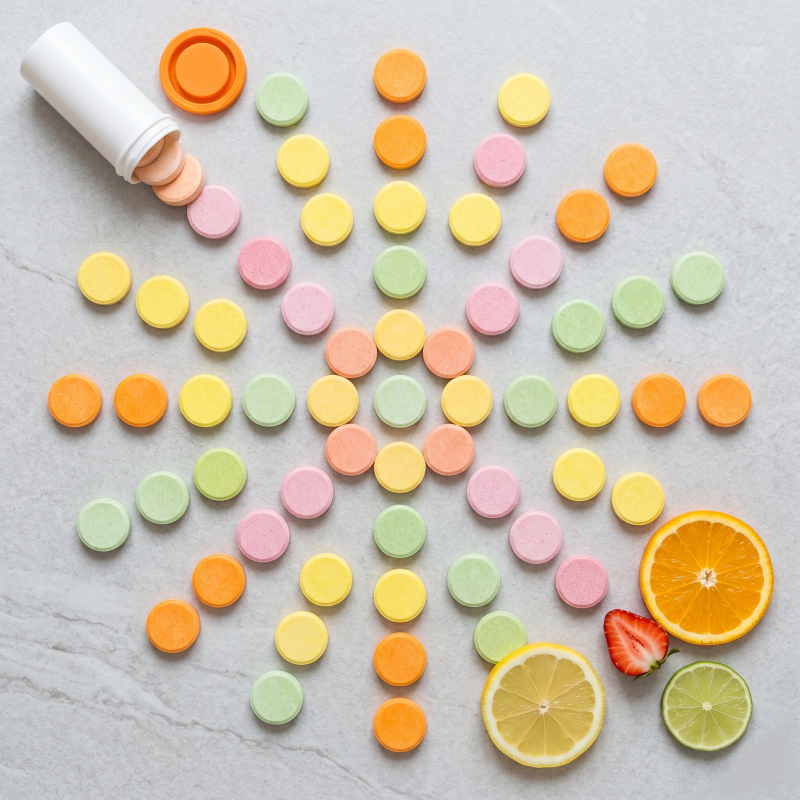
Choosing Wisely: What to Look for in an Effervescent Tablet Dietary Supplement
With a crowded market of supplements, it can be challenging to know which product is right for you. When it comes to Zinc and Vitamin C, effervescent tablets offer some distinct benefits. However, not all effervescent supplements are created equal. By understanding the advantages of this delivery form and knowing what to look for in terms of quality and bioavailability, you can make a choice that truly supports your health goals.
The Unique Advantages of Effervescent Tablets
Effervescent tablets, which dissolve in water to create a fizzy drink, are more than just a novelty. This delivery system offers several practical benefits over traditional pills or capsules.
Ease of Use and Enhanced Absorption
One of the biggest hurdles with traditional supplements is simply swallowing large pills. Effervescent tablets eliminate this issue entirely. By dissolving into a liquid, they are easy for anyone to consume, including older adults and those who have difficulty swallowing (dysphagia) or a sore throat.
Furthermore, this pre-dissolved state offers a significant advantage in absorption and bioavailability.
- Enhanced Absorption: When you swallow a solid pill, your stomach must first work to break it down before the ingredients can be absorbed. Effervescent tablets bypass this step. The nutrients are already fully dissolved in the liquid, creating a solution that is ready for immediate absorption in the stomach and small intestine. This can lead to a faster onset of action and more efficient uptake.
- Improved Bioavailability: Bioavailability is the measure of how much of a substance actually enters your bloodstream and has an active effect. Because effervescent tablets dissolve completely and uniformly, they can offer superior bioavailability compared to some traditional tablets, which might only partially dissolve and result in reduced nutrient absorption. Studies suggest effervescent forms can have a bioavailability rate of nearly 100%, which is almost double that of some conventional pills.
Hydration and Pleasant Taste
Beyond the functional aspects, effervescent tablets offer two additional benefits that make supplementation a more positive experience.
- Built-in Hydration: Since each tablet must be dissolved in a glass of water (typically around 200ml), you are naturally increasing your fluid intake. Staying hydrated is essential for overall health and is particularly important when your body is fighting off an infection. This built-in hydration is an added bonus, especially for those who may not be drinking enough fluids when feeling unwell.
- Pleasant Taste: Let's be honest—swallowing pills isn't enjoyable. Effervescent supplements are formulated with flavors, such as orange or berry, which transform them into a tasty, fizzy beverage. This makes taking your daily vitamins a more pleasant ritual rather than a chore, which can significantly improve consistency. A supplement you enjoy taking is one you're more likely to remember.
Evaluating Product Quality and Bioavailability
Not all supplements are made with the same a level of care. To ensure you're getting a product that is both effective and safe, it's important to look beyond the marketing and evaluate the ingredients and manufacturing standards.
Beyond Basic Ascorbic Acid
The most common and cost-effective form of Vitamin C in supplements is ascorbic acid. While it is chemically identical to the Vitamin C found naturally in foods, its acidity can cause stomach upset in some individuals. High-quality supplements may use alternative forms to improve tolerance and potentially enhance absorption.
- Buffered Vitamin C (Mineral Ascorbates): This form combines ascorbic acid with a mineral salt, such as sodium ascorbate or calcium ascorbate. The mineral acts as a buffer, neutralizing the acidity of the Vitamin C. This makes it a gentler option for individuals with sensitive stomachs, allowing for higher doses without gastrointestinal discomfort.
- Liposomal Vitamin C: This advanced form encapsulates the Vitamin C in liposomes, which are tiny, fat-soluble vesicles. This protective lipid layer helps the Vitamin C bypass harsh stomach acids and improves its absorption directly into the cells. Studies have shown that liposomal Vitamin C can have significantly higher bioavailability—up to 1.77 times more—than non-liposomal forms. This means more of the nutrient reaches your bloodstream and is available for your body to use.
Considerations for Purity and Additives (e.g., Non-GMO, Sugar-Free)
The quality of an effervescent tablet goes beyond just the active ingredients. Pay close attention to the label for indicators of purity, safety, and overall quality.
- Third-Party Testing: The FDA does not approve dietary supplements for safety and efficacy before they are sold. This makes independent, third-party testing crucial. Look for seals from reputable organizations like NSF International or USP (United States Pharmacopeia). These certifications verify that the product contains the ingredients listed on the label in the correct amounts, is free from harmful levels of contaminants like heavy metals, and was manufactured in a clean, controlled environment.
- Clean Ingredients (Non-GMO, Sugar-Free):
- Non-GMO: Choosing products with a non-GMO label ensures that the ingredients have not been genetically modified. This often signifies a commitment to more natural sourcing and can reduce potential exposure to herbicides commonly used on GMO crops.
- Sugar-Free: Many effervescent tablets are flavored, but this doesn't mean they need to be loaded with sugar. High-quality products use natural, sugar-free sweeteners like stevia or monk fruit. This is especially important for those managing blood sugar levels or looking to avoid empty calories.
- Avoid Unnecessary Additives: Be wary of supplements with a long list of artificial colors, flavors, and fillers. Ingredients like magnesium stearate and talc are sometimes used as flow agents in manufacturing but provide no nutritional benefit. A shorter, cleaner ingredient list is often a sign of a higher-quality product.