How to Choose the Right Dietary Supplement Manufacturer: A Complete Buyer's Guide
- Share
- publisher
- FORNUTRA
- Issue Time
- Jul 15,2026
Summary
Learn how to choose the right dietary supplement manufacturer. Discover key evaluation criteria, OEM and ODM services, and practical tips for selecting a reliable manufacturing partner.
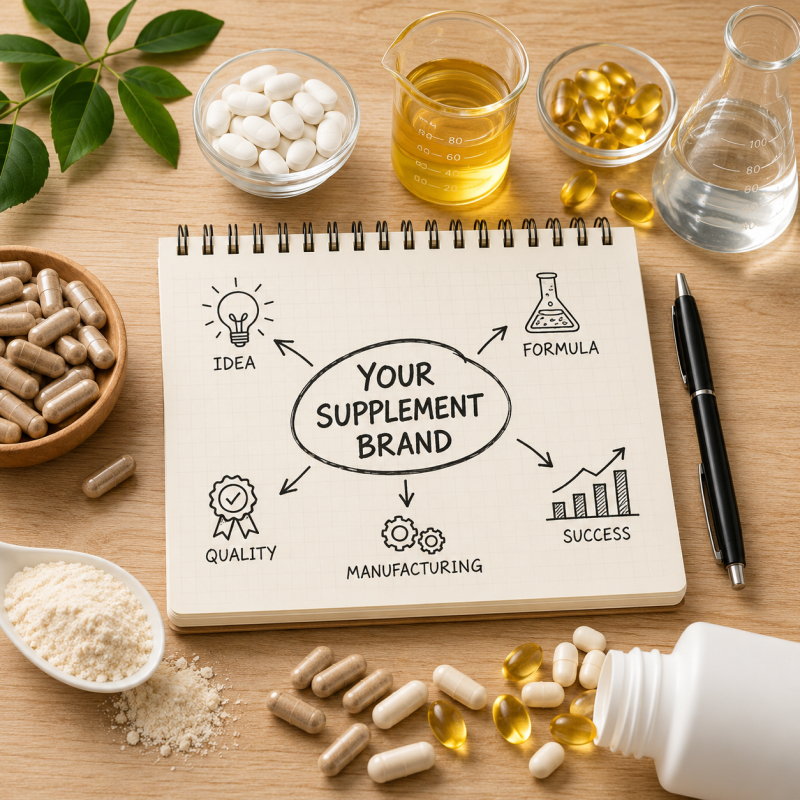
Choosing the Right Manufacturing Partner Starts with the Right Questions
Selecting a dietary supplement manufacturer is one of the most important decisions when launching or expanding a supplement brand. Whether you're creating a private label product, developing a custom formulation, or adding new products to your portfolio, the manufacturer you choose will influence product quality, production efficiency, packaging, documentation, and long-term business success.
With so many manufacturers offering similar services, comparing suppliers can be overwhelming. Looking beyond pricing and evaluating manufacturing capabilities, quality systems, technical support, and communication can help you make a more informed decision.
If you're exploring OEM, ODM, or private label manufacturing, understanding the complete production process is an important first step. Learn more about our OEM Manufacturing Services and ODM Manufacturing Solutions to see how different manufacturing models support various business needs.
Why Choosing the Right Manufacturer Matters
A manufacturing partner is more than a production facility. An experienced supplier can support product development, recommend suitable dosage forms, coordinate packaging, provide technical documentation, and help simplify the manufacturing process.A well-established partnership can also improve production consistency, reduce communication delays, and provide greater flexibility as your product portfolio grows.
Instead of focusing only on production cost, successful supplement brands often evaluate suppliers based on long-term reliability, technical expertise, and service capabilities.

Step 1: Define Your Product Requirements
Before requesting quotations, prepare a clear project brief.Consider the following questions:
· What type of dietary supplement do you want to develop?
· Which dosage form best fits your target market?
· Do you need a custom formulation or an existing formula?
· Which packaging style do you prefer?
· What is your estimated order quantity?
· Which countries will your products be sold in?
Providing complete project information helps manufacturers offer more accurate recommendations, quotations, and production schedules.
Step 2: Evaluate Manufacturing Capabilities
Not all manufacturers provide the same level of service.When comparing suppliers, check whether they offer:
- · OEM Manufacturing
- · ODM Manufacturing
- · Private Label Solutions
- · Custom Formula Development
- · Ingredient Sourcing
- · Packaging Customization
- · Label Support
- · Export Documentation
- · Logistics Coordination
Choosing a manufacturer with integrated services can reduce project complexity and improve communication throughout the production process.
Need a manufacturing partner that supports both OEM and ODM projects? Explore our Private Label Supplement Solutions to understand how customized manufacturing can support different business models.
Step 3: Review Quality Management Systems
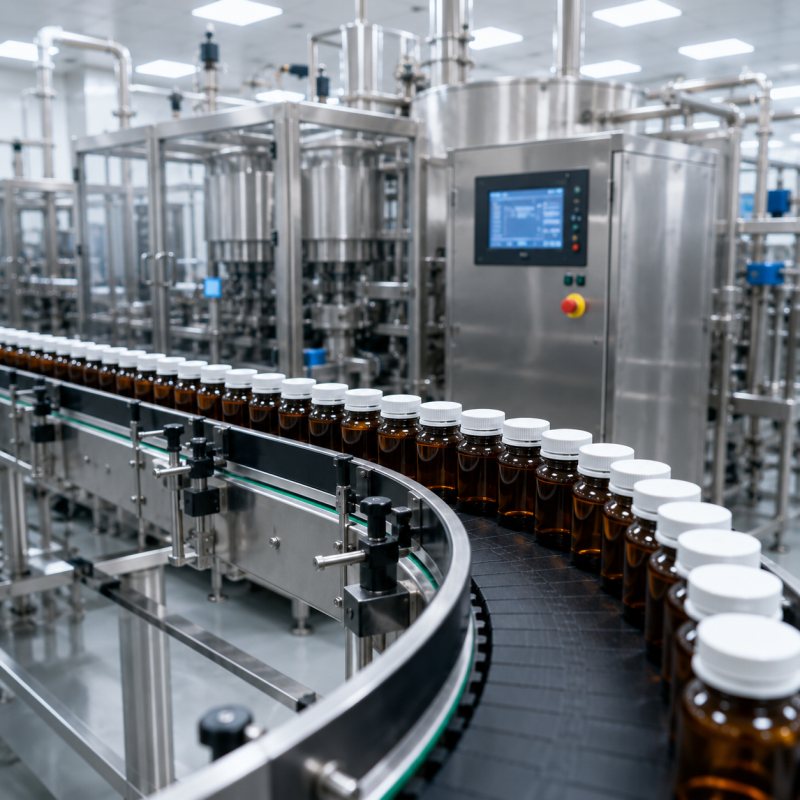
Quality management is one of the most important factors when selecting a dietary supplement manufacturer.Ask potential suppliers about their quality procedures, including:
- · Good Manufacturing Practice (GMP)
- · Raw Material Verification
- · Production Batch Records
- · Product Traceability
- · Stability Programs
- · Quality Inspection Procedures
- · Third-Party Laboratory Testing (where applicable)
- · Certificate of Analysis (COA)
Reliable manufacturers should be able to explain their production procedures clearly and provide appropriate technical documentation when required.If quality assurance is a priority for your business, reviewing the manufacturer's quality management process before production begins can help establish clear expectations.
Step 4: Assess Research and Development Capabilities
If your project involves custom formulations, research and development capabilities become especially important.Consider asking:
- · Can ingredients be adjusted?
- · Are different dosage forms available?
- · Can flavors or packaging be customized?
- · Is sample development available?
- · Does the manufacturer provide formulation recommendations?
A strong R&D team can help transform product ideas into scalable manufacturing projects while supporting future product expansion.Interested in custom supplement development? Learn more about our Custom Formulation Services and product development capabilities.

Step 5: Understand MOQ and Production Timelines
Minimum order quantity (MOQ) and production schedules vary depending on formulation complexity, packaging materials, and manufacturing requirements.Before placing an order, confirm:
- · Sample Development Timeline
- · Production Lead Time
- · Packaging Preparation
- · Label Approval Process
- · Quality Inspection
- · Shipping Schedule
Understanding the complete production timeline allows brands to better coordinate product launches and inventory planning.
Step 6: Evaluate Communication and Project Support
Efficient communication contributes significantly to successful manufacturing projects.A professional manufacturing partner should:
- · Respond promptly
- · Explain technical information clearly
- · Provide regular project updates
- · Offer practical manufacturing recommendations
- · Maintain transparent communication throughout production
Strong communication helps reduce misunderstandings and improves project efficiency.

Supplier Evaluation Checklist
Before making your final decision, compare manufacturers using the following checklist.
| Evaluation Item | Questions to Consider |
|---|---|
| Manufacturing Experience | Does the manufacturer have experience producing dietary supplements? |
| Product Categories | Can they manufacture your required dosage forms? |
| OEM & ODM Services | Do they support custom development? |
| Quality Management | Are quality procedures clearly documented? |
| Research & Development | Can they assist with formulation development? |
| Packaging Options | Are multiple packaging formats available? |
| MOQ Flexibility | Does the minimum order quantity match your business plan? |
| Export Experience | Do they have experience serving international markets? |
| Documentation | Can they provide relevant technical documentation? |
| Communication | Are responses timely and professional? |
Common Mistakes When Choosing a Manufacturer
Many businesses compare manufacturers based only on price.However, other factors often have a greater impact on long-term success.Common mistakes include:
- · Choosing the lowest quotation without evaluating overall service
- · Overlooking production capacity
- · Ignoring packaging capabilities
- · Not reviewing quality procedures
- · Skipping sample evaluation
- · Failing to confirm production timelines
- · Comparing quotations without understanding included services
A balanced evaluation helps reduce project risks and supports more effective supplier selection.
Frequently Asked Questions
What is the difference between OEM and ODM manufacturing?
OEM manufacturing generally produces products based on customer specifications, while ODM manufacturing typically provides existing formulations that can be customized through branding, packaging, or minor formulation adjustments.
What documents should a dietary supplement manufacturer provide?
Depending on the project, manufacturers may provide product specifications, Certificates of Analysis (COA), ingredient documentation, production records, and other technical documents required for manufacturing and export.
How long does supplement manufacturing usually take?
Production schedules vary depending on product type, formulation complexity, packaging customization, production planning, and order quantity. Confirm estimated lead times before production begins.
Is visiting the factory necessary?
Factory visits or virtual audits can help buyers better understand production capabilities, manufacturing environments, and communication processes before establishing long-term cooperation.
Conclusion
Choosing the right dietary supplement manufacturer involves much more than comparing quotations. Evaluating manufacturing capabilities, quality management systems, research and development support, communication efficiency, and production experience can help businesses identify a manufacturing partner that aligns with their long-term goals.A structured supplier evaluation process not only reduces project risks but also creates a stronger foundation for future product development and business growth.
Whether you're launching a new supplement brand, expanding an existing product line, or developing a custom formulation, working with an experienced OEM/ODM manufacturer can help streamline every stage of the manufacturing process—from product development and packaging customization to production and delivery.
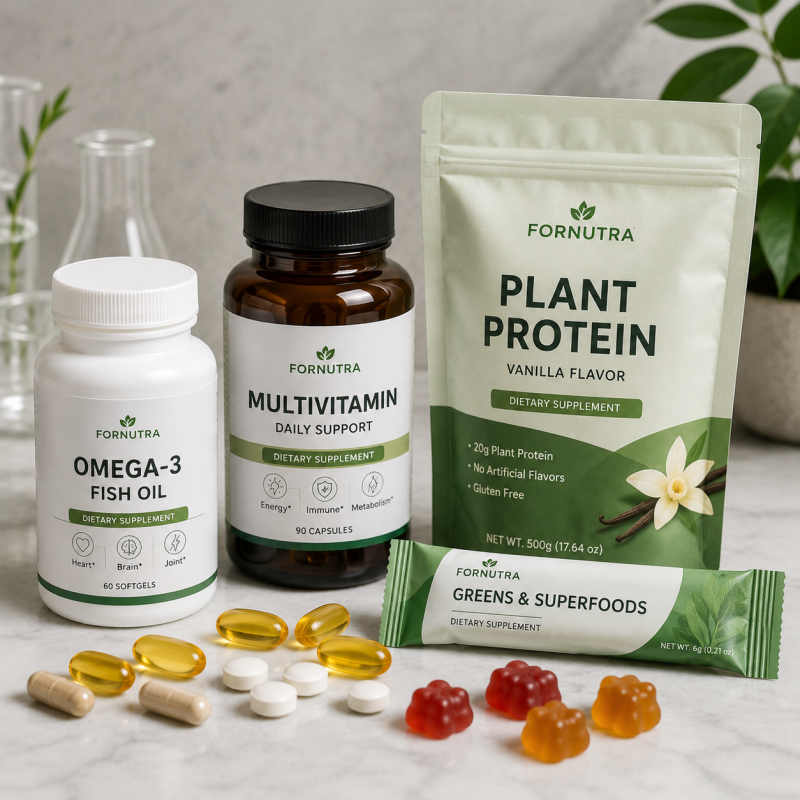
Ready to Start Your Supplement Project?
If you're looking for an experienced dietary supplement manufacturer that offers OEM, ODM, and private label manufacturing services, we're here to support your next project.
Explore our manufacturing capabilities to learn more about our production services, or contact our team to discuss your product ideas, formulation requirements, and packaging options.