Sports Nutrition Supplement Manufacturing: Trends, Standards and Opportunities
- Share
- Issue Time
- Jul 27,2026
Summary
Explore the latest developments in sports supplement manufacturing including market trends, production standards, formulation innovations, and emerging opportunities for brands seeking reliable OEM and ODM manufacturing partners.


The sports nutrition industry has evolved far beyond serving professional athletes. Today, active consumers, fitness enthusiasts, and wellness-focused individuals are driving demand for supplements that support performance, recovery, and everyday health. This shift has encouraged brands to develop products that combine scientific formulation, clean ingredients, and convenient delivery formats.
As consumer expectations continue to rise, sports supplement manufacturers play an increasingly important role in transforming product concepts into safe, high-quality, and market-ready solutions. From protein powders and amino acid blends to pre-workout, recovery, and hydration formulas, manufacturers are expected to deliver consistent quality while adapting to changing market trends and regulatory requirements.
This article explores the latest developments shaping sports nutrition manufacturing, including market trends, production standards, formulation innovations, and emerging opportunities for brands seeking reliable OEM and ODM manufacturing partners.
Global Sports Nutrition Market Trends Driving Supplement Manufacturing Demand
The global sports nutrition market continues to expand as consumers place greater emphasis on active lifestyles, personalized nutrition, and preventive wellness. Once focused primarily on competitive athletes, sports nutrition products are now widely used by gym-goers, recreational runners, office workers, and individuals looking to support daily fitness goals.
Several trends are reshaping demand and influencing how sports supplement manufacturers develop new products:
- Growing participation in fitness and recreational sports
- Rising interest in high-protein and functional nutrition
- Increasing demand for clean-label and plant-based formulations
- Preference for convenient formats such as gummies, stick packs, and ready-to-mix powders
- Expansion of private label and customized sports nutrition brands
These changes are encouraging manufacturers to invest in formulation innovation, flexible production capabilities, and quality management systems that can support a broader range of customer needs.
Modern sports nutrition products are available in multiple dosage forms, including:
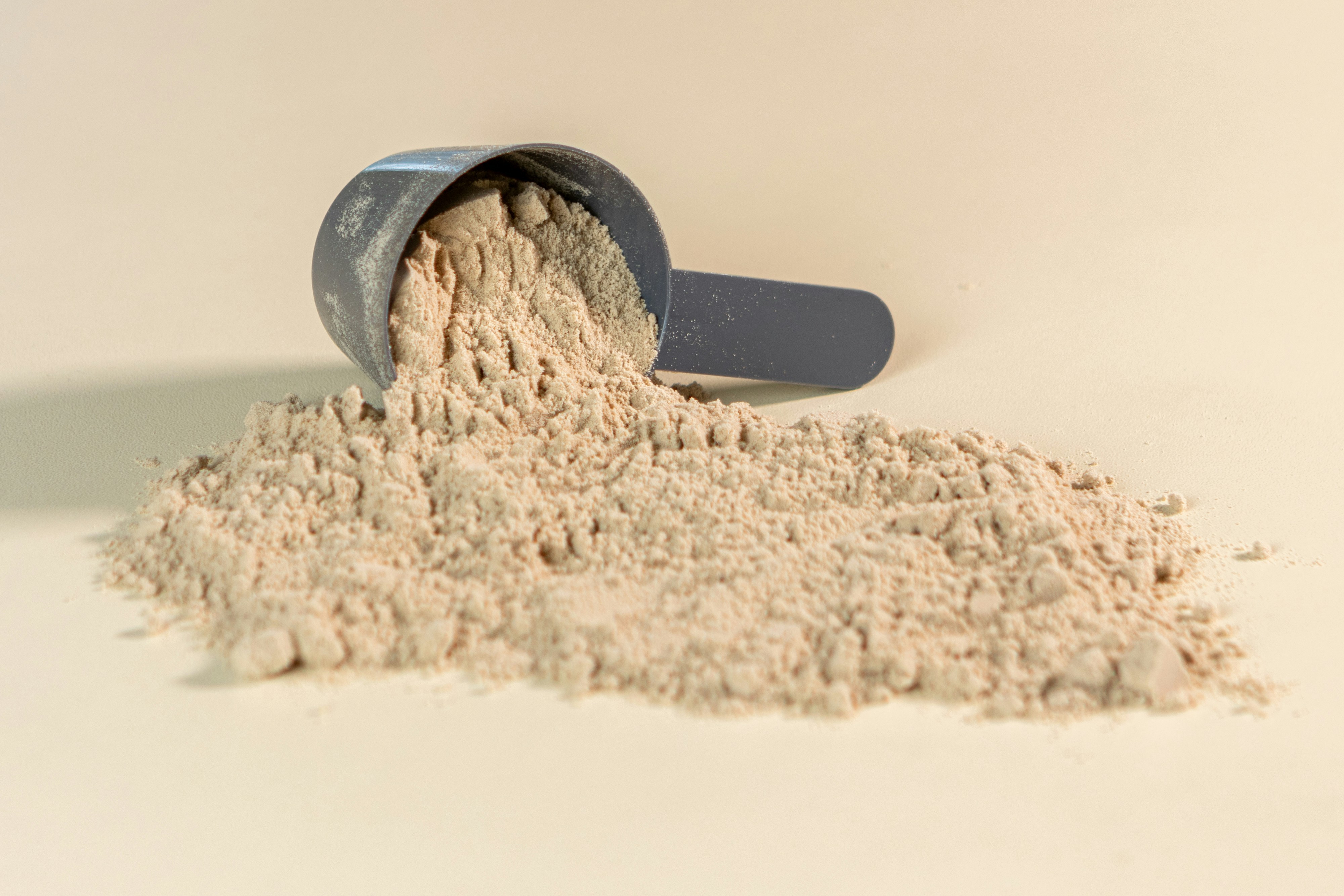


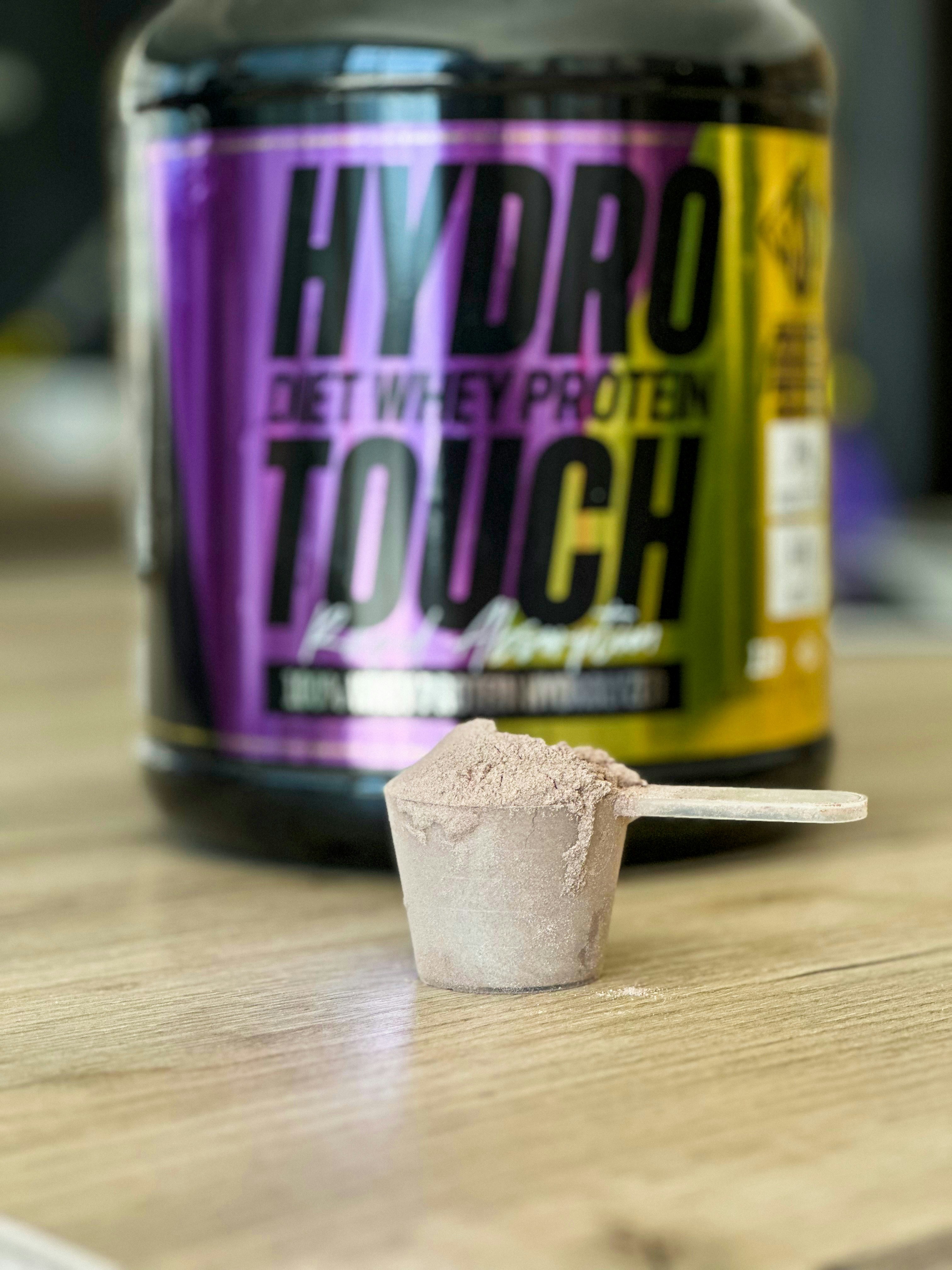
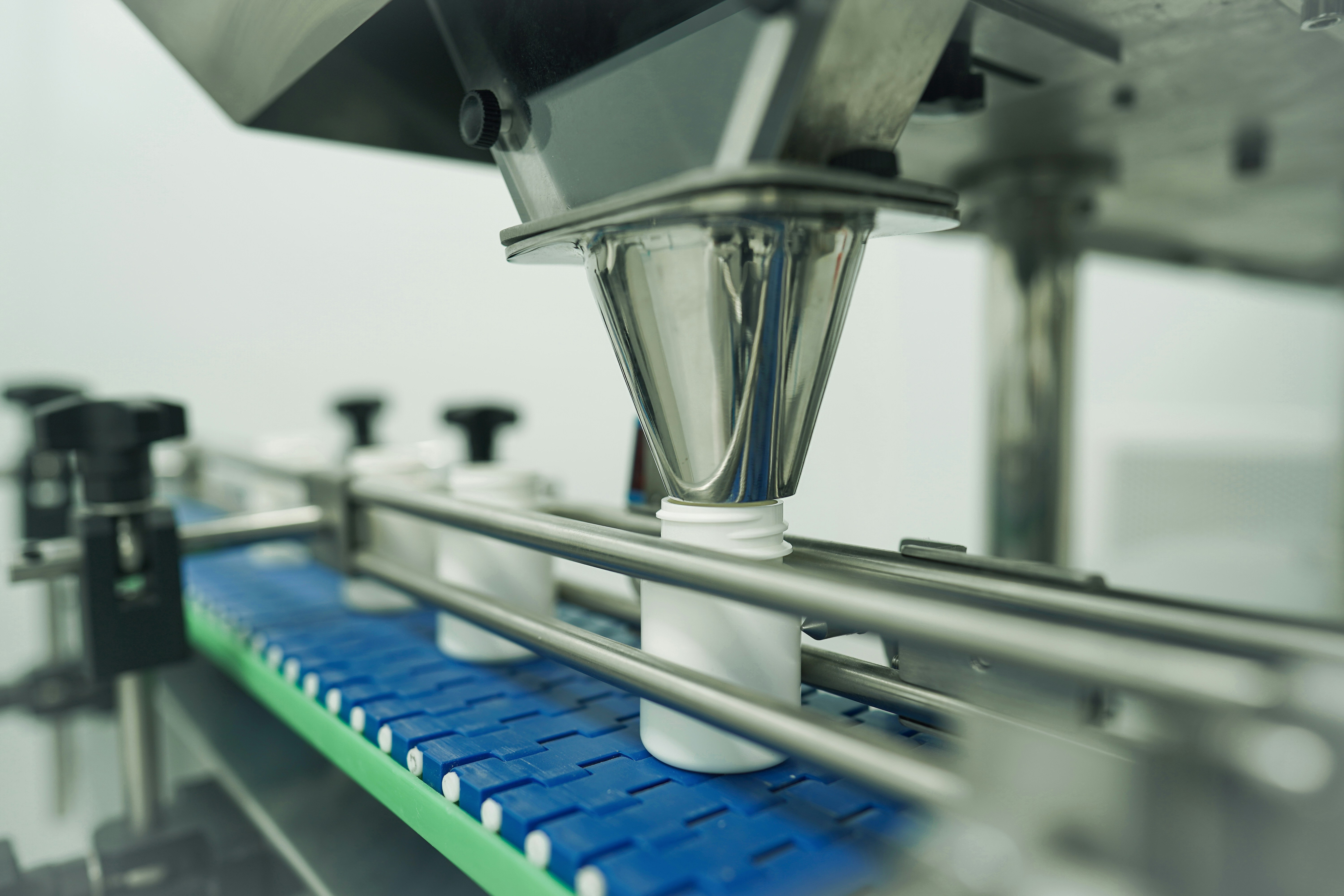
Manufacturers capable of producing multiple dosage forms provide brands with greater flexibility to target different consumer preferences and market segments.
Protein Powders, BCAA, Pre-Workout and Recovery Supplements
While product innovation continues across the industry, several categories remain the foundation of the global sports nutrition market.
Protein Powders
Protein powder remains one of the largest and most established segments. Whey protein concentrate, whey protein isolate, casein, soy protein, pea protein, and blended plant proteins are widely used to meet the growing demand for high-quality protein solutions. Manufacturers increasingly focus on improving flavor, mixability, and ingredient transparency to meet evolving consumer expectations.
BCAA Supplements
Branched-chain amino acid (BCAA) supplements continue to be popular among active consumers seeking convenient sports nutrition products. A professional BCAA supplement manufacturer emphasizes raw material quality, precise ingredient ratios, excellent solubility, and consistent manufacturing processes to deliver reliable product performance.
Pre-Workout Supplements
Pre-workout formulations have become one of the fastest-growing categories in sports nutrition. Modern products often combine ingredients such as caffeine, beta-alanine, citrulline, and electrolytes to create balanced formulas that align with current market demand. As innovation continues, pre workout supplement manufacturers are placing greater emphasis on formulation stability, flavor optimization, and regulatory compliance.
Post-Workout Recovery Supplements
Recovery nutrition has expanded beyond traditional protein powders to include comprehensive formulas containing protein, creatine, amino acids, electrolytes, and selected vitamins and minerals. To ensure product consistency and shelf-life stability, post workout supplement manufacturers pay close attention to ingredient compatibility, blending technology, moisture control, and packaging performance.
As these product categories continue to evolve, manufacturers with strong R&D capabilities and diversified production expertise are better positioned to support brands in an increasingly competitive sports nutrition market.
| Category | Key Ingredients | Popular Formats | Target Consumers | Manufacturing Focus |
|---|---|---|---|---|
| Protein Powders | Whey, Casein, Soy, Pea Protein | Powder, RTD Shake | Athletes, Fitness, General Wellness | Flavor, Mixability, Transparency |
| BCAA Supplements | Leucine, Isoleucine, Valine | Powder, Capsule, Tablet | Active Consumers, Gym-Goers | Ratio Precision, Solubility |
| Pre-Workout | Caffeine, Beta-Alanine, Citrulline | Powder, Stick Pack, RTD | Serious Trainers, Fitness Enthusiasts | Stability, Flavor Masking, Compliance |
| Post-Workout Recovery | Protein, Creatine, EAAs, Electrolytes | Powder, Stick Pack, Gummy | All Active Consumers | Compatibility, Moisture Control |
Emerging Trends in Sports Supplement Manufacturing
Consumer preferences and advances in food technology are reshaping the sports nutrition industry. Beyond product performance, brands now expect manufacturers to deliver cleaner formulations, sustainable production, and greater flexibility in product development. These trends are driving sports supplement manufacturers to continuously upgrade their R&D capabilities, manufacturing processes, and quality systems.
Clean Label and Plant-Based Innovation
Today's consumers are paying closer attention to ingredient transparency. They increasingly prefer products made with recognizable ingredients, natural flavors, and simplified formulations that align with modern wellness trends.
As a result, many sports nutrition brands are expanding their product portfolios with:
- Plant-based protein powders
- Naturally flavored pre-workout supplements
- Sugar-free or low-sugar formulations
- Products free from artificial colors and preservatives
- Non-GMO and allergen-conscious ingredient options
At the same time, plant proteins such as pea, rice, soy, and pumpkin seed protein are gaining popularity among consumers seeking vegan or flexitarian lifestyles. To meet these changing demands, sports nutrition supplement manufacturers continue to improve protein texture, solubility, and flavor while maintaining nutritional quality.
Clean-label innovation has become an important competitive advantage, helping brands build consumer trust and differentiate themselves in a crowded marketplace.
Automation, Digitalization and Sustainable Manufacturing
Modern manufacturing is becoming increasingly intelligent and efficient. Automation and digital technologies help improve production consistency while reducing operational errors and enhancing traceability throughout the manufacturing process.
Many leading sports supplement manufacturers are investing in:
- Automated ingredient weighing and batching
- Precision blending and filling systems
- Digital production monitoring
- Batch traceability and electronic production records
- Real-time quality control throughout manufacturing
Sustainability is also becoming an important consideration. Manufacturers are adopting more environmentally responsible practices, including energy-efficient equipment, recyclable packaging materials, and optimized production processes that reduce material waste. These initiatives not only improve operational efficiency but also support the sustainability goals of many global sports nutrition brands.
Production Standards for Sports Nutrition Supplement Manufacturers
Product quality remains one of the most important factors influencing consumer confidence and brand reputation. As regulations become more stringent and customer expectations continue to rise, manufacturers are expected to implement comprehensive quality management systems throughout every stage of production.
Reliable sports supplement manufacturers typically establish standardized procedures covering:
- Supplier qualification and auditing
- Raw material identity verification
- Incoming material inspection
- Production process monitoring
- Microbiological and heavy metal testing
- Finished product inspection
- Batch traceability and documentation
Many manufacturers also operate under internationally recognized quality systems such as GMP, HACCP, and ISO 22000 to ensure consistent production practices and support global market requirements. A well-managed quality system not only helps ensure product consistency but also provides brands with greater confidence when entering international markets.
Raw Material Purity, Third-Party Testing and NSF Sport Certification
High-quality products begin with high-quality ingredients. Professional manufacturers carefully evaluate raw material suppliers and verify ingredient specifications before production begins.
- Selecting qualified and audited suppliers
- Reviewing Certificates of Analysis (COA)
- Conducting identity and purity testing
- Verifying microbiological safety
- Screening for heavy metals
- Performing stability testing where appropriate
In addition to internal quality controls, many brands choose independent third-party laboratory testing to further validate product quality and improve market credibility.
For sports nutrition products intended for competitive athletes, some companies may also pursue independent certifications such as NSF Certified for Sport®. Although not required for every product, this certification can provide additional assurance that products meet specific quality and testing standards expected in certain sports markets.
By combining rigorous raw material management, scientific testing, and internationally recognized quality systems, manufacturers help brands deliver safe, consistent, and reliable sports nutrition products to consumers worldwide.
Pre-Workout Supplement Manufacturing: Key Formulation Considerations
Pre-workout supplements are among the most innovative categories in sports nutrition. As consumers seek products that fit different training styles and lifestyles, manufacturers must balance ingredient compatibility, flavor, stability, and regulatory compliance while meeting diverse market demands.
Experienced pre workout supplement manufacturers focus on more than combining popular ingredients. They optimize formulations to ensure consistent quality, good solubility, pleasant taste, and reliable production performance across every batch.
When developing pre-workout products, manufacturers typically consider:
- Ingredient compatibility and stability
- Powder flowability and mixing performance
- Flavor masking and sweetness balance
- Serving size optimization
- Moisture control and shelf-life stability
- Regulatory-compliant ingredient labeling
| Formulation Factor | Importance | Key Consideration | Impact on Quality |
|---|---|---|---|
| Ingredient Compatibility | Avoid antagonistic interactions | Formulation stability | |
| Powder Flowability | Affects filling accuracy | Consistent dosing | |
| Flavor Masking | Bitterness from active ingredients | Consumer acceptance | |
| Serving Size | Balance efficacy & convenience | User experience | |
| Moisture Control | Prevent clumping & degradation | Shelf-life stability | |
| Regulatory Compliance | Region-specific labeling | Market access |
Customization has also become a key differentiator. Brands increasingly request caffeine-free options, plant-based formulas, naturally flavored products, or region-specific formulations that align with local regulations and consumer preferences. Flexible OEM and ODM capabilities enable manufacturers to respond quickly to these evolving requirements.
Caffeine, Beta-Alanine and Creatine — Ingredient Synergy
Modern pre-workout supplements often combine multiple functional ingredients to create balanced formulations rather than relying on a single active component.
Common ingredients include:
- Caffeine
- Beta-Alanine
- Creatine Monohydrate
- L-Citrulline or Citrulline Malate
- L-Tyrosine
- Taurine
- Electrolytes
- Vitamins and minerals
Developing these formulations requires careful consideration of ingredient compatibility, dosage accuracy, flavor interaction, and manufacturing stability. A professional creatine supplement manufacturer can help optimize blending performance, reduce ingredient segregation, and select suitable packaging solutions that maintain product quality throughout its shelf life.
As formulation technologies continue to improve, manufacturers are increasingly focused on delivering products that combine functionality, consistency, and an enjoyable consumer experience.
Post-Workout Recovery Supplement Production
Recovery has become an essential part of modern sports nutrition. Today's consumers are looking beyond traditional protein powders and increasingly prefer comprehensive recovery products that support their overall fitness routines.

Popular recovery formulations commonly include:
- Whey protein concentrate or isolate
- Plant-based proteins
- Creatine
- Glutamine
- Essential amino acids (EAAs)
- Electrolytes
- Vitamins and minerals
To maintain product consistency, post workout supplement manufacturers carefully manage every stage of production, from ingredient sourcing and blending to moisture control, packaging, and finished product inspection. Uniform mixing and appropriate packaging are particularly important for preserving product quality and extending shelf life.
Recovery supplements are available in a variety of convenient formats, including:
- Protein powders
- Stick packs
- Sachets
- Capsules
- Tablets
- Gummies
- HDPE bottles
- Stand-up pouches
By offering multiple dosage forms and packaging options, manufacturers help brands meet the needs of different consumer groups while improving product differentiation in competitive markets.
Challenges Facing Sports Supplement Manufacturers
Despite strong market growth, the sports nutrition industry continues to face several manufacturing challenges. As regulations tighten and consumer expectations rise, manufacturers must balance product innovation with consistent quality, supply chain reliability, and operational efficiency.
Some of the most significant challenges include:
Raw Material Supply and Cost Fluctuations
Global demand for ingredients such as whey protein, creatine, amino acids, and botanical extracts can lead to price volatility and supply fluctuations. Reliable manufacturers reduce these risks by working with qualified suppliers and maintaining stable procurement strategies.
Increasing Regulatory Requirements
Sports nutrition products are sold across multiple international markets, each with different labeling, ingredient, and compliance requirements. Manufacturers must stay informed about regulatory updates to help brands develop products suitable for their target regions.
Consumer Demand for Greater Transparency
Modern consumers expect more information about ingredient sourcing, manufacturing processes, and product quality. This has increased the importance of supplier verification, batch traceability, and third-party testing throughout the production process.
Faster Product Innovation
Market trends evolve rapidly, requiring manufacturers to shorten product development cycles without compromising quality. Strong R&D capabilities, flexible production lines, and efficient project management enable manufacturers to respond more quickly to changing consumer preferences.
As the industry continues to evolve, manufacturers that combine scientific expertise, quality management, and operational flexibility will be better positioned to support both established sports nutrition brands and emerging businesses.
Growth Opportunities for Sports Supplement Manufacturers
The sports nutrition market continues to evolve as consumer preferences become more diverse and personalized. While traditional products such as protein powders remain strong performers, several emerging segments are creating new opportunities for sports supplement manufacturers and the brands they support.
Manufacturers that can respond quickly to changing market demands through flexible formulation, multiple dosage forms, and efficient production capabilities are well positioned for long-term growth.
Personalized Sports Nutrition
Consumers are increasingly seeking products tailored to their individual fitness goals, dietary preferences, and lifestyles rather than one-size-fits-all solutions.
This trend has accelerated demand for:
- Custom ingredient combinations
- Personalized protein blends
- Sugar-free and low-sugar formulas
- Plant-based sports nutrition
- Customized flavors and packaging
To meet these requirements, manufacturers are expanding OEM and ODM services, enabling brands to develop differentiated products that better address specific consumer needs and market positioning.
Expanding Consumer Groups
Sports nutrition is no longer limited to bodybuilders and competitive athletes. A wider range of consumers now incorporate sports supplements into their daily wellness routines.
Growing customer segments include:
- Active lifestyle consumers
- Recreational runners and cyclists
- Women seeking fitness nutrition
- Healthy aging populations
- Busy professionals with active routines
As the consumer base continues to diversify, manufacturers are developing products with broader appeal, including convenient dosage forms such as gummies, stick packs, ready-to-mix powders, and functional beverages.
Global Private Label Opportunities
The continued growth of e-commerce and cross-border trade has encouraged more businesses to launch their own sports nutrition brands. Rather than investing in production facilities, many companies choose experienced sports supplement manufacturers to provide private label, OEM, or ODM services.
- Lower initial investment
- Faster product development
- Flexible production volumes
- Access to professional R&D resources
- Scalable manufacturing capacity
As private label demand grows, manufacturers with comprehensive production capabilities and international export experience are becoming valuable long-term partners for global brands.
How Sports Supplement Manufacturers Support Brand Launches
Launching a successful sports nutrition product requires more than selecting quality ingredients. Brands also need support in product development, manufacturing, regulatory documentation, packaging, and supply chain management.
Professional workout supplement manufacturers typically provide integrated services throughout the product development process, helping brands reduce complexity and accelerate time to market.
Core manufacturing services often include:
- Formula customization
- Private label manufacturing
- OEM and ODM solutions
- Packaging design support
- Label compliance guidance
- Production planning
- Quality management
- Export documentation
- Logistics coordination
By offering these services under one manufacturing platform, suppliers help brands improve development efficiency while maintaining consistent product quality from concept to commercialization.
For startups, flexible production options and technical support can significantly reduce the barriers to entering the sports nutrition market. For established brands, scalable manufacturing capacity allows faster expansion into new markets and product categories.
Case Study: What Successful Sports Nutrition Brands Have in Common
Many leading sports nutrition brands do not own manufacturing facilities. Instead, they partner with specialized manufacturers that provide technical expertise, quality assurance, and scalable production capabilities.
Although every brand follows a different business strategy, successful partnerships often share several common characteristics.

Strong Product Quality
Consistent manufacturing standards help ensure every production batch meets the same quality expectations, strengthening consumer confidence and supporting long-term brand growth.
Continuous Product Innovation
The sports nutrition market evolves rapidly. Manufacturers with experienced R&D teams can help brands develop new formulations, improve existing products, and respond quickly to changing consumer preferences.
Reliable Supply Chain Management
Stable ingredient sourcing, effective inventory planning, and dependable production scheduling help minimize delays while maintaining product availability.
International Quality Standards
Manufacturers operating under recognized quality systems such as GMP and HACCP provide brands with stronger confidence when expanding into international markets and working with distributors worldwide.
Flexible Manufacturing Capabilities
As product portfolios continue to diversify, brands increasingly value manufacturers capable of producing multiple dosage forms—including powders, capsules, tablets, gummies, and stick packs—within the same quality management system.
Ultimately, the most successful partnerships are built on consistent quality, transparent communication, technical expertise, and the ability to adapt to changing market opportunities. These capabilities allow bodybuilding supplement manufacturers and broader sports supplement manufacturers to support sustainable growth for brands competing in today's dynamic sports nutrition industry.
FORNUTRA's Sports Nutrition Supplement Manufacturing Services
As the sports nutrition market continues to evolve, brands need manufacturing partners that combine technical expertise, consistent quality, and flexible production capabilities. FORNUTRA provides comprehensive OEM and ODM manufacturing services, helping global customers transform product concepts into market-ready sports nutrition supplements.
With experience serving customers in multiple international markets, FORNUTRA supports brands throughout the entire product development process—from formulation and sampling to production, packaging, and export.
| Product Category | Available Dosage Forms | Customization Options | Target Markets |
|---|---|---|---|
| Protein Powders | Powder, Stick Pack | Flavor, Blend, Packaging | Global |
| Creatine Supplements | Powder, Capsule, Tablet | Purity Grade, Format | Sports, Fitness |
| BCAA / Amino Acids | Powder, Capsule, Tablet | Ratio, Flavor, Combo | Active Lifestyle |
| Pre-Workout | Powder, Stick Pack, RTD | Caffeine-Free, Plant-Based | Performance |
| Recovery Formulas | Powder, Stick Pack, Gummy | Multi-Ingredient, Functional | All Segments |
| Electrolytes / Hydration | Powder, Stick Pack, RTD | Mineral Profile, Flavor | Endurance, Daily |
| Functional Gummies | Gummy | Shape, Flavor, Function | General Wellness |
| Capsules / Tablets | Capsule, Tablet | Size, Coating, Combo | All Categories |
Our manufacturing capabilities cover a wide range of sports nutrition categories, including:
- Protein powders
- Creatine supplements
- BCAA and amino acid blends
- Pre-workout supplements
- Post-workout recovery formulas
- Electrolyte powders
- Hydration supplements
- Functional gummies
- Capsules
- Tablets
- Stick packs
By supporting multiple dosage forms within one manufacturing system, FORNUTRA enables brands to build complete product portfolios while maintaining consistent quality standards.
Why Global Brands Choose FORNUTRA
Selecting the right manufacturing partner is essential for delivering safe, reliable, and competitive products. FORNUTRA focuses on providing flexible manufacturing solutions that help brands shorten development cycles and improve operational efficiency.
- GMP-compliant manufacturing facilities
- Experienced R&D and formulation team
- Multiple dosage form production capabilities
- Custom formulation development
- Private label (OEM) and ODM services
- Packaging customization support
- Strict quality management procedures
- Export experience for global markets
- Flexible production solutions for growing brands
Whether launching a new product or expanding an existing portfolio, FORNUTRA works closely with customers to deliver manufacturing solutions tailored to different business goals and market requirements.
Start Your Sports Nutrition Brand with FORNUTRA
The global sports nutrition industry continues to present significant opportunities for brands that prioritize quality, innovation, and consumer trust. As demand expands across protein supplements, hydration products, pre-workout formulas, and recovery nutrition, choosing an experienced manufacturing partner becomes increasingly important.
Professional sports supplement manufacturers provide more than production capacity—they contribute formulation expertise, quality assurance, regulatory support, and scalable manufacturing solutions that help brands compete in an evolving marketplace.
At FORNUTRA, we are committed to supporting every stage of product development through customized OEM and ODM services, reliable manufacturing processes, and responsive customer support. Whether you are introducing your first sports nutrition product or expanding an established product line, our team is ready to help bring your ideas to market efficiently and confidently.
Ready to develop your next sports nutrition product? Contact FORNUTRA today to discuss your formulation requirements and discover how our manufacturing expertise can support your brand's long-term growth.
Frequently Asked Questions
Professional sports supplement manufacturers typically produce a wide variety of products, including protein powders, creatine supplements, BCAA formulas, pre-workout and post-workout supplements, electrolyte powders, amino acid blends, gummies, capsules, tablets, and stick packs. Many manufacturers also provide customized formulations and private label solutions for different market segments.
Reliable manufacturers generally operate under recognized quality management systems such as GMP and HACCP. Some facilities may also comply with ISO 22000 or other internationally recognized food safety standards. Depending on the target market and product positioning, brands may also request third-party laboratory testing or additional certifications.
Yes. Many OEM and ODM manufacturers offer formulation customization based on your target market, preferred ingredients, dosage form, flavor, packaging, and branding requirements. Custom development allows brands to create differentiated products while meeting regional regulatory standards.
Protein powders remain one of the most popular formats, but demand for gummies, capsules, tablets, stick packs, and ready-to-mix powders continues to grow. The most suitable dosage form depends on the product category, target consumers, and sales channel.
Quality is maintained through supplier qualification, raw material verification, standardized production procedures, in-process quality monitoring, finished product inspection, and batch traceability. Many manufacturers also work with independent laboratories to perform microbiological, heavy metal, and ingredient verification testing.
OEM and ODM manufacturing allows brands to launch products more efficiently without investing in their own production facilities. By partnering with experienced manufacturers, businesses gain access to professional R&D support, quality-controlled production, flexible manufacturing capacity, and faster time-to-market while focusing on branding, marketing, and sales.