The Beginner's Guide to Collagen Gummies for Radiant Skin
- Share
- publisher
- FORNUTRA
- Issue Time
- May 29,2026
Summary
Collagen production naturally declines from your twenties. Discover how collagen gummies fit into a daily skincare and nutrition routine.
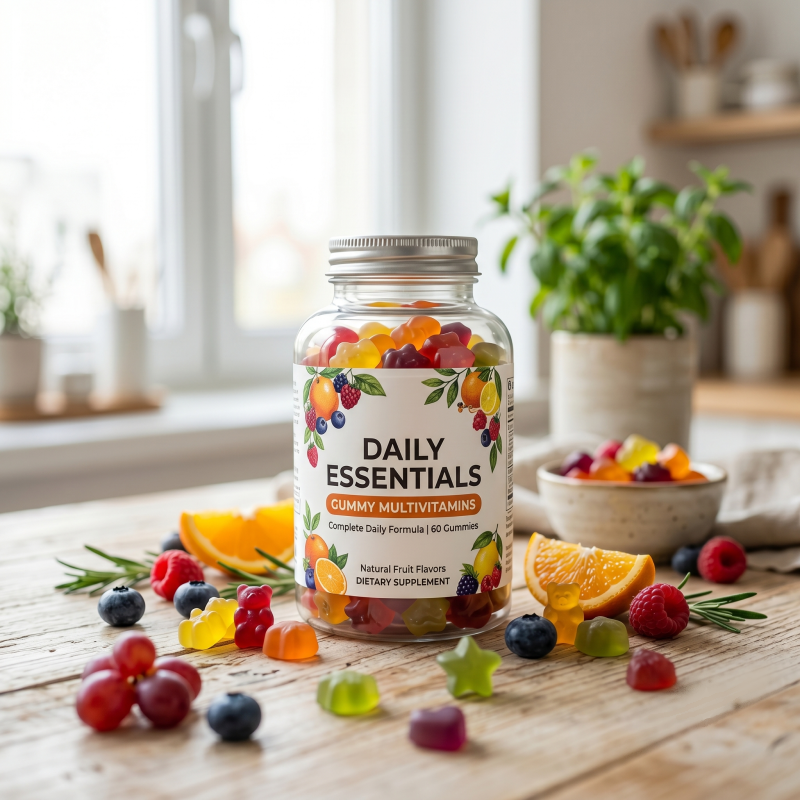
I'm sure many of us dream of having bright, glowing skin. As we get older, keeping our skin looking its best can feel like a challenge. That's where collagen comes in – it's a super important protein for our skin's health.
You might have heard about collagen supplements, and one of the easiest and tastiest ways to take them is through collagen gummies. I'm here to guide you through everything you need to know about how collagen gummies can help you achieve that radiant skin we all desire.
In this beginner's guide, I’ll share why collagen is so vital, how these convenient gummies work, and what we should look for to make the best choices for our skincare journey.
Understanding Collagen Gummies: Our Skin's Best Friend
What Exactly Is Collagen and Why Do We Need It?
Collagen: The Body's Building Block We Rely On
Collagen is the most abundant protein in the human body, making up about 30% of our total protein content. Think of it as the "glue" that holds everything together; in fact, the word itself comes from the Greek word “kólla,” which means glue. This essential protein is a primary building block for our skin, bones, muscles, tendons, ligaments, and other connective tissues. It provides structure and strength throughout the body and is even found in our organs, blood vessels, and the lining of our gut.
The structure of collagen is a unique triple helix, formed by amino acids like proline, glycine, and hydroxyproline. For our bodies to produce this complex protein naturally, it requires an adequate supply of nutrients, including vitamin C, zinc, and copper. There are many types of collagen, but the vast majority in our body consists of Types I, II, and III. Type I is the main component of skin, bones, and ligaments, while Type II is crucial for cartilage, and Type III supports muscles and blood vessels.
How Collagen Keeps Our Skin Strong and Supple
When it comes to our skin, collagen is the undisputed star. It makes up nearly 75% of our skin's structure and acts as the foundational scaffolding in the dermis, the skin's middle layer. This dense network of collagen fibers provides the skin with its strength, firmness, and resilience. Working alongside another protein called elastin, which provides flexibility, collagen ensures our skin can stretch and bounce back, maintaining a smooth and youthful appearance.
This supportive matrix does more than just prevent sagging; it also plays a key role in skin hydration by helping to bind water molecules, keeping the skin plump and moisturized. Furthermore, collagen is vital for the skin's natural repair processes, aiding in the replacement of dead skin cells and supporting wound healing. A healthy collagen framework contributes to a strong skin barrier, protecting us from environmental damage. Without sufficient collagen, the skin loses its structural integrity, leading to the formation of fine lines and wrinkles.

The Natural Decline: Why Our Collagen Levels Change Over Time
Aging and Its Impact on Our Internal Collagen Production
The strong, organized network of collagen we enjoy in our youth doesn’t last forever. Our bodies' natural collagen production begins to slow down as early as our mid-20s. After the age of 30, this decline becomes more consistent, with studies suggesting we lose about 1% to 1.5% of our collagen each year. This slowdown is a normal part of intrinsic aging. The cells responsible for creating collagen, known as fibroblasts, become less active and fewer in number over time. As the existing collagen fibers become fragmented, these fibroblasts can no longer attach properly, causing them to collapse and produce even less collagen.
This gradual loss accelerates significantly during certain life stages. For women, the five years following menopause can trigger a loss of up to 30% of their skin's collagen due to declining estrogen levels. By the time we reach our 40s and 50s, the visible signs of this decline—such as fine lines, wrinkles, and sagging skin—become much more apparent. Research has shown that by age 80, the body's collagen production can decrease by as much as 75% compared to that of young adults.
External Factors That Affect Our Skin's Collagen
Beyond the natural aging process, our collagen is under constant threat from external factors and lifestyle choices that can accelerate its breakdown. Understanding these aggressors is the first step toward protecting our skin's vital structure.
- Sun Exposure: Ultraviolet (UV) radiation from the sun is one of the biggest culprits of collagen degradation, a process known as photoaging. UV rays penetrate the skin and trigger the production of enzymes that break down collagen fibers. Excessive sun exposure leads to disorganized and weakened collagen, contributing to premature wrinkles and loss of firmness.
- High-Sugar Diet: A diet high in sugar can harm collagen through a process called glycation. Excess sugar molecules attach to proteins like collagen, forming harmful new molecules called advanced glycation end products (AGEs). These AGEs make collagen fibers stiff, brittle, and weak, causing the skin to lose its elasticity—a phenomenon sometimes called "sugar sag."
- Smoking: The thousands of toxic chemicals in cigarette smoke are devastating for collagen. Smoking not only increases the enzymes that destroy collagen but also reduces the body's ability to produce new collagen by about 20%. It also constricts blood vessels, limiting the flow of oxygen and essential nutrients—like vitamin C—that are necessary for collagen synthesis.
- Stress and Lack of Sleep: Chronic stress and poor sleep can also take a toll. During sleep, the body undergoes repair processes, including collagen production. A lack of sleep disrupts this cycle. Similarly, high-stress levels can increase cortisol, a hormone that has been shown to decrease the production of collagen.
Why We're Turning to Collagen Gummies for Support
With the knowledge that our collagen levels are declining, many people are looking for ways to replenish them. This has led to a surge in the popularity of collagen supplements, and among the various forms available, collagen gummies have become a standout favorite. Their appeal is easy to understand: they're convenient, tasty, and simple to incorporate into a daily routine.
Unlike powders that need to be mixed or pills that can be difficult to swallow, gummies offer a fun and effortless way to get a daily dose of collagen. This convenience factor is crucial because consistency is key to seeing potential benefits from any supplement. The purpose of taking collagen gummies is to provide the body with the specific amino acids it needs to support its own collagen production, which in turn may help improve skin elasticity, hydration, and overall appearance. While research is ongoing, the simplicity and enjoyable format of gummies make them an attractive option for anyone beginning their journey into the world of collagen supplementation.
Our Journey to Radiant Skin: The Benefits of Collagen Gummies
Rejuvenating Our Skin: Boosting Elasticity and Hydration with Collagen Gummies
The primary reason many of us turn to collagen gummies is for their potential anti-aging benefits for the skin. As the core protein responsible for skin's structure and firmness, replenishing its building blocks logically supports a more youthful appearance. Emerging scientific evidence suggests that this approach has merit, particularly when it comes to improving skin elasticity and hydration.
A number of studies have explored the effects of oral collagen supplements, showing promising results. A systematic review and meta-analysis of 26 trials found that hydrolyzed collagen supplementation significantly improved both skin hydration and elasticity compared to a placebo. Another review found that taking hydrolyzed collagen for at least 90 days helped reduce signs of skin aging by improving hydration and elasticity while minimizing wrinkles. The theory is that consuming these collagen peptides stimulates the body to produce its own collagen, as well as other important proteins like elastin and fibrillin, which help structure the skin. By supporting the skin's foundational matrix from the inside, collagen gummies may help restore its ability to retain moisture and maintain its supple, resilient quality.
Fighting Fine Lines and Wrinkles with Daily Collagen Gummies
The appearance of fine lines and wrinkles is one of the most common signs of aging skin, directly linked to the decline in collagen. As the skin's structural support weakens, it's less able to bounce back from facial expressions, leading to permanent creases. Many people hope that collagen supplements can help smooth these lines and restore a more youthful texture.
Several studies suggest that daily collagen supplementation may indeed help reduce the appearance of wrinkles. One review of multiple randomized controlled trials concluded that oral collagen supplements can reduce skin wrinkling and roughness with no reported side effects. Another analysis found that daily doses of 2.5 to 10 grams of hydrolyzed collagen for 8 to 12 weeks led to a noticeable reduction in the appearance of wrinkles. While collagen gummies are not a "magic fix" and won't erase deep-set wrinkles, they may help soften fine lines by enhancing skin hydration and elasticity. The most significant improvements are often seen after several weeks of consistent use, highlighting the importance of patience and daily commitment.
Experiencing Better Skin Moisture and Smoothness
Dry, rough skin is another consequence of aging and depleted collagen. The skin's ability to hold onto moisture diminishes as the extracellular matrix, which contains collagen and hyaluronic acid, breaks down. This can leave the skin feeling tight, flaky, and looking dull.
Oral collagen supplements have been shown to directly combat this by boosting skin hydration. One meta-analysis found that supplementation with hydrolyzed collagen significantly improved skin moisture. The proposed mechanism involves the collagen peptides stimulating dermal fibroblasts to produce more hyaluronic acid, a key molecule known for its incredible ability to retain water. By helping to replenish both collagen and hyaluronic acid, supplements can support the skin's natural barrier, allowing it to seal in moisture more effectively. Over time, this increased hydration can lead to visibly smoother, plumper, and more radiant skin.
Beyond Aesthetics: Other Ways Collagen Gummies Support Our Well-being
While the quest for glowing skin is a major driver for taking collagen, the benefits of this vital protein extend far beyond our appearance. Since collagen is a fundamental building block of connective tissues throughout the body, supplementing with it can support our overall physical health and well-being.
Keeping Our Joints Feeling Good
Collagen is a crucial component of cartilage, the flexible tissue that cushions our joints and allows them to move smoothly. As we age, declining collagen levels can contribute to joint stiffness and the development of degenerative joint disorders like osteoarthritis.
Research suggests that collagen supplements may help alleviate joint pain and improve function. A review of studies on people with osteoarthritis indicated that taking collagen led to significant improvements in joint stiffness. It is believed that the supplemental collagen may accumulate in the cartilage and encourage the tissues to produce more of their own collagen, which can lead to lower inflammation and better joint support. Other studies have found that collagen may act as a mild pain reliever for those with knee osteoarthritis and improve overall joint mobility.
Supporting Overall Connective Tissue Health
Collagen's structural role is essential for all connective tissues, which include tendons, ligaments, bones, and even muscles. Tendons, which connect muscle to bone, and ligaments, which connect bone to bone, rely on Type I collagen for their tensile strength.
By providing the necessary amino acids, collagen supplementation may aid in the repair and maintenance of these vital tissues. This can be especially beneficial for active individuals who put regular stress on their joints and muscles. Some studies have even shown that collagen may help prevent bone loss, as bones are primarily made of collagen. It provides a framework that gives bones their strength and structure. Furthermore, as a major component of skeletal muscle, collagen has been linked to boosts in muscle mass, particularly when combined with strength training.
Choosing and Using the Best Collagen Gummies for Our Skin
Navigating the world of collagen supplements can be overwhelming, but understanding a few key factors will help you make an informed choice. To get the most out of your collagen gummies, it's important to look at the type of collagen, its form, the dosage, and the overall quality of the product.
What to Look for: Key Types and Ingredients in Collagen Gummies
Understanding Different Collagen Sources: Marine vs. Bovine
Collagen supplements are typically derived from animal sources, with bovine (from cows) and marine (from fish) being the two most common.
- Bovine Collagen: Sourced from cow hides, bovine collagen is rich in both Type I and Type III collagen. This makes it a versatile, all-around option that supports not only skin health but also joints, bones, and gut health. It is generally more affordable and widely available.
- Marine Collagen: Derived from fish skin and scales, marine collagen consists almost entirely of Type I collagen, the most prevalent type in our skin. It has a smaller particle size, which may allow for faster and more efficient absorption by the body—some research suggests it is absorbed up to 1.5 times more effectively than other sources. This high bioavailability makes it a popular choice for those specifically targeting skin, hair, and nail health.
Ultimately, the best choice depends on your personal health goals and dietary preferences. If your primary focus is improving your skin, marine collagen might have a slight edge due to its high concentration of Type I collagen and superior absorption. If you are looking for broader wellness benefits that include joint and gut support, bovine collagen is an excellent choice. Both have been proven effective when sourced from high-quality producers.
The Power of Hydrolyzed Collagen and Peptides in Our Gummies
When you see "hydrolyzed collagen" or "collagen peptides" on a label, it means the collagen protein has been broken down into smaller, more manageable fragments through a process called hydrolysis. This is a crucial feature for any effective collagen supplement.
Native collagen molecules are very large, making them difficult for the body to digest and absorb. Hydrolysis pre-digests these long protein chains into short peptides, which are highly bioavailable. This means they can be easily absorbed through your digestive system and enter the bloodstream, where they can be transported throughout the body to support skin, joints, and other connective tissues.
These peptides act in two ways: they provide the amino acid building blocks your body needs to create new collagen, and they act as signals that can stimulate your fibroblasts (the collagen-producing cells) to ramp up their own production. Most effective collagen gummies use hydrolyzed collagen peptides to ensure you're getting a product your body can actually use.
Getting the Right Dose: How Many Collagen Gummies Should We Take?
Checking Labels for Effective Daily Amounts of Collagen
There is no official recommended daily allowance for collagen, but scientific research provides a good general guideline. Studies have shown that a daily dose of 2.5 to 15 grams of hydrolyzed collagen peptides is generally considered safe and effective for supporting skin, joint, and bone health.
For specific skin benefits like improved hydration and elasticity, research suggests a dose between 2.5 to 10 grams per day is effective. When choosing collagen gummies, it's essential to check the nutrition label to see how much collagen is in each serving. Many gummy supplements contain lower amounts of collagen per piece compared to powders, so you may need to take several gummies to reach an effective dose. Always follow the suggested dosage on the product packaging unless advised otherwise by a healthcare professional.
| Goal | Recommended Daily Collagen Dose |
|---|---|
| General Skin Health & Hydration | 2.5 - 10 grams |
| Joint Support | 5 - 10 grams |
| Bone Density | 5 grams |
| Muscle Mass | 15 grams |
Note: These dosage recommendations are based on available research and may vary based on individual factors.
Why Consistency Is Key for Our Collagen Gummies Routine
Perhaps the most critical factor for seeing results from any collagen supplement is consistency. Collagen is not a quick-fix solution; it works gradually by providing a steady supply of the building blocks your body needs for tissue repair and regeneration.
Our bodies are in a constant cycle of breaking down and rebuilding collagen. Taking your supplement daily helps maintain a consistent level of peptides and amino acids in your system, keeping the regenerative process active. Skipping days can interrupt this cycle and slow down or even reverse your progress.
Clinical studies typically show noticeable improvements in skin hydration, elasticity, and wrinkles after 8 to 12 weeks of daily, consistent use. To make it a habit, try "habit stacking": pair taking your gummies with something you already do every day, like drinking your morning coffee or brushing your teeth. Keeping the bottle visible on your counter can also serve as a helpful reminder.

Quality Matters: Ensuring Our Collagen Gummies Are Safe and Effective
Since dietary supplements are not as strictly regulated by bodies like the U.S. Food and Drug Administration (FDA) as medications are, the responsibility falls on us as consumers to be discerning. Not all collagen gummies are created equal. Ensuring the product you choose is both safe and effective requires a careful look at its quality and ingredients.
First, opt for brands that prioritize transparency and quality sourcing. High-quality gummies will use clean ingredients and be free from unnecessary fillers, artificial sweeteners, and allergens. Many gummies contain added sugars to improve taste, so be mindful of the sugar content and how it fits into your overall diet, especially since high sugar intake can actually harm existing collagen.
Second, look for third-party testing. This means an independent, unaffiliated laboratory has verified that the product contains what the label claims and is free from harmful contaminants like heavy metals, pesticides, or banned substances. Certifications from organizations like NSF International, USP (United States Pharmacopeia), or Informed Sport provide an extra layer of assurance about the product's safety and quality. Choosing a third-party tested supplement ensures you are getting a pure and accurately dosed product, which is crucial for achieving the desired results.
Maximizing Our Radiant Skin Journey with Collagen Gummies and Smart Habits
Incorporating Collagen Gummies Seamlessly Into Our Daily Lives
For collagen gummies to be effective, they must become a consistent part of your routine. The good news is that their convenience makes this easy to achieve. Unlike powders or pills, they require no mixing or measuring—just grab, chew, and go.
The best time to take your collagen gummies is ultimately whatever time you'll remember to do it every day. Some people prefer taking them in the morning with breakfast to kickstart their day. Others find that taking them in the evening before bed aligns with the body's natural repair processes during sleep. You can take them with or without food.
Here are a few simple tips to build a consistent habit:
- Habit Stacking: Take your gummies at the same time as an existing daily habit, such as after brushing your teeth, with your morning coffee, or alongside other vitamins.
- Keep Them Visible: Store the bottle on your kitchen counter, on your desk, or in your bag so you see it every day. A visual cue is often the best reminder.
- Set a Reminder: Use your phone to set a daily alarm or calendar notification. A simple nudge can make all the difference in staying on track.
Lifestyle Choices That Enhance Our Collagen Gummies' Effects
While collagen gummies can provide essential building blocks from the inside, their effects are magnified when combined with a holistic lifestyle that protects and supports your skin from the outside. Think of it as a team effort—your supplement provides the materials, and your habits create the best environment for them to work.

Protecting Our Skin: The Importance of Sunscreen and Hydration
- Sunscreen is Non-Negotiable: Daily sun protection is the single most important thing you can do to preserve your existing collagen. UV radiation is a primary cause of collagen breakdown, and no supplement can outdo the damage from unprotected sun exposure. Make a broad-spectrum sunscreen with at least SPF 30 a non-negotiable part of your morning routine, even on cloudy days.
- Hydrate from Within: Staying well-hydrated is crucial for skin health. Drinking plenty of water helps maintain skin moisture and suppleness, creating the ideal environment for collagen to thrive. Proper hydration supports skin elasticity and can enhance the plumping effects of your collagen supplement.
Eating Well: Foods That Naturally Support Our Collagen Levels
Your diet plays a powerful role in your body's ability to produce collagen. Certain foods are rich in collagen itself or contain the nutrients necessary for its synthesis. Incorporate these into your meals to support your skin from within:
- Bone Broth: Made by simmering animal bones and connective tissues, bone broth is a direct source of collagen and other beneficial minerals. - Protein-Rich Foods: Foods like chicken (especially with the skin on), fish, beef, and eggs provide the amino acids (glycine, proline) that are the building blocks of collagen.
- Vitamin C Powerhouses: Vitamin C is an essential cofactor for collagen synthesis. Without it, your body cannot form stable collagen fibers. Load up on citrus fruits, bell peppers, berries, kiwi, and dark leafy greens.
- Zinc and Copper Sources: These minerals also play a key role in collagen production. Find zinc in oysters, nuts, seeds, and whole grains. Copper is present in shellfish, nuts, and lentils.
Avoiding Habits That Harm Our Skin and Collagen
Just as important as adding good habits is eliminating the bad ones that actively destroy your collagen and accelerate skin aging.
- Limit Added Sugar: As mentioned earlier, a high-sugar diet leads to glycation, which stiffens and weakens collagen fibers. Minimize your intake of sugary drinks, candies, and processed foods.
- Quit Smoking: Smoking is one of the most destructive habits for your skin. It restricts blood flow, depletes vitamin C, and floods your body with toxins that damage both collagen and elastin.
- Manage Stress: Chronic stress elevates cortisol levels, a hormone known to inhibit collagen production. Incorporate stress-reducing practices like meditation, yoga, or spending time in nature.
- Prioritize Sleep: Aim for 7-9 hours of quality sleep per night. This is when your body focuses on repair and regeneration, including making new collagen.
Listening to Our Body: When to Consult a Professional About Our Skin and Collagen Gummies
While collagen gummies are a fantastic addition to a proactive skincare routine, they are not a substitute for professional medical advice. It's always a good idea to consult with a dermatologist or a qualified healthcare professional before starting any new supplement. This is especially important if you have pre-existing health conditions, are pregnant or breastfeeding, or have allergies, as some gummies may contain allergens like shellfish or eggs.
A professional can help you determine if collagen supplements are right for your specific needs, recommend an appropriate dosage, and rule out any other underlying issues that may be affecting your skin. If you are experiencing persistent skin concerns like severe acne, rashes, or significant and rapid changes in your skin's appearance, it is crucial to seek a professional diagnosis. They can provide targeted treatments and create a comprehensive skincare plan tailored to you.
Key Takeaways
For those looking for a quick summary, here are the most important points from our guide to collagen gummies for radiant skin:
- Collagen is Essential: It's the most abundant protein in the body and provides the structural framework for firm, supple, and hydrated skin. Our natural production declines with age, leading to wrinkles and sagging.
- Gummies Offer Convenient Support: Collagen gummies, especially those with hydrolyzed collagen peptides, provide your body with the absorbable building blocks needed to support its own collagen production.
- The Benefits Are More Than Skin-Deep: While excellent for improving skin elasticity and moisture, collagen also supports the health of our joints, bones, and other connective tissues.
- Quality and Dosage Matter: Choose gummies with hydrolyzed collagen from a reputable source (like marine or bovine). Look for third-party testing to ensure purity and aim for a daily dose within the researched range of 2.5–15 grams for noticeable benefits.
- Consistency is Crucial: Collagen isn't a quick fix. You need to take it daily for at least 8-12 weeks to see visible results in your skin. Make it a simple part of your daily routine.
- Lifestyle is a Game-Changer: Maximize your results by pairing your gummies with a healthy lifestyle. This includes wearing sunscreen daily, staying hydrated, eating a nutrient-rich diet, and avoiding habits like smoking and excess sugar.
- Consult a Pro: Before starting any new supplement, it's always wise to speak with a dermatologist or healthcare provider to ensure it's the right choice for you.
Frequently Asked Questions (FAQs)
Q1: How long does it take for collagen gummies to work? A: While individual results can vary, most scientific studies show noticeable improvements in skin hydration, elasticity, and fine lines after 8 to 12 weeks of consistent daily use. It's important to be patient and make it a daily habit.
Q2: Are there any side effects of taking collagen gummies? A: Collagen supplements are generally considered safe and well-tolerated by most people. Some individuals may experience mild digestive upset, but this is uncommon. The main concern is potential allergens, as some gummies may contain ingredients like shellfish or eggs, so always check the label if you have allergies.
Q3: Can I get enough collagen from my diet alone? A: While foods like bone broth and skin-on chicken contain collagen, it can be difficult to consume enough of them consistently to get a therapeutic dose. Supplements offer a convenient and concentrated way to ensure you're getting an effective amount of bioavailable collagen peptides daily.
Q4: Is there a vegan source of collagen? A: True collagen is only found in animal sources. Products marketed as "vegan collagen" do not contain actual collagen. Instead, they are typically made with a blend of plant-based ingredients like vitamin C, zinc, and specific amino acids that your body needs to produce its own collagen.
Q5: What's the difference between collagen gummies and collagen powder? A: The main differences are convenience, taste, and dosage. Gummies are pre-dosed, easy to take on the go, and have a pleasant taste. Powders are often unflavored and can be mixed into drinks like coffee or smoothies. Powders typically offer a higher dose of collagen per serving, but gummies can be just as effective if you take the recommended serving size and, most importantly, if their convenience helps you stay consistent.
I hope this guide has shown you how beneficial and easy it is to add collagen gummies to your routine for healthier, more radiant skin. It's an exciting time to explore these supplements!
Remember, while collagen gummies are a fantastic tool, they work best when combined with a balanced lifestyle. By making smart choices—like wearing sunscreen, eating well, and staying hydrated—we can support our skin from the inside out and enjoy a vibrant glow.
Let’s embrace our skin's health journey with confidence and enjoy the radiant results that collagen gummies can help us achieve.