The Essential Guide to Plant-Based Capsules: Why They're Replacing Traditional Options
- Share
- publisher
- FORNUTRA
- Issue Time
- Jun 27,2026
Summary
Plant-based capsules are gaining traction as an alternative to gelatin in the supplement industry. Ethical considerations and technical advances are driving this shift toward clean-label products.
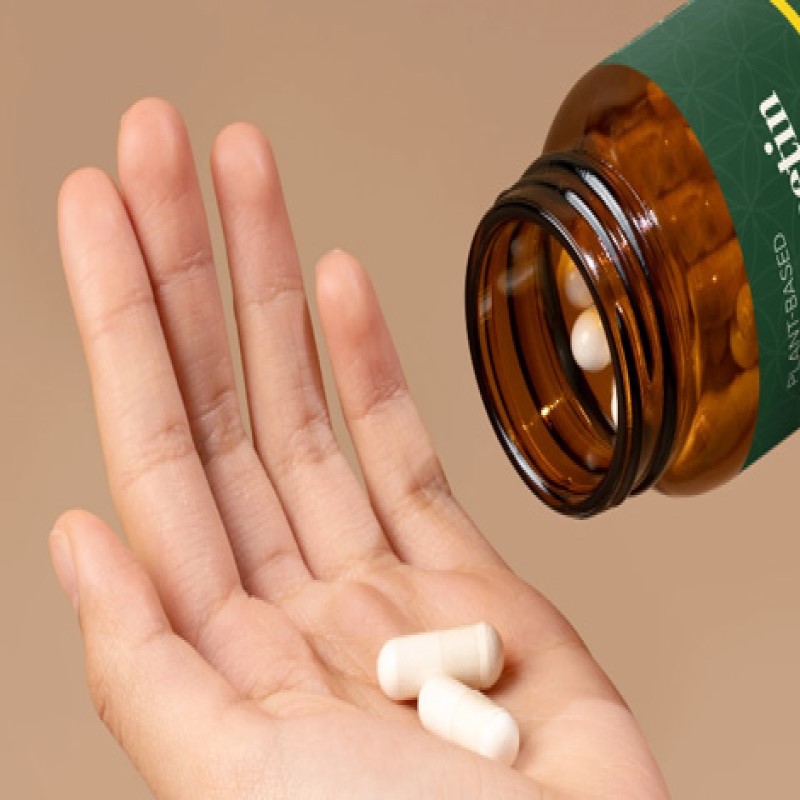
We're seeing a profound shift in many industries, and the world of pharmaceuticals and supplements is no exception. Consumers are increasingly invested in the origin and composition of their products, especially when it comes to what they put into their bodies. For many years, traditional gelatin capsules have been the trusted workhorse for delivering everything from medication to vital nutrients. But a new contender has entered the scene and is rapidly gaining ground: the plant-based capsule.
This essential guide will explore the rise of these vegetarian alternatives, helping you understand why they are becoming so popular and whether they are genuinely on track to replace traditional options. We will delve into the benefits and challenges of both capsule types, examining their unique characteristics to empower you with the knowledge needed to make informed health choices.
Key Takeaways
- Consumer-Driven Shift: The demand for plant-based capsules is primarily fueled by a growing consumer base that values vegetarian, vegan, and clean-label products for ethical, dietary (including Halal and Kosher), and health reasons. While gelatin still holds the majority of the market, the plant-based segment is expanding at a faster rate.
- Superior Stability for Sensitive Ingredients: Plant-based capsules, particularly those made from HPMC, have a significantly lower moisture content than gelatin capsules. This makes them the ideal choice for protecting moisture-sensitive (hygroscopic) ingredients like probiotics and certain herbal extracts from degradation.
- Performance Differences: Gelatin capsules generally dissolve faster for immediate-release formulas and offer superior protection against oxygen. In contrast, plant-based capsules provide better moisture protection and can be engineered for specialized delayed-release profiles, although their dissolution can be slightly slower. Bioavailability is typically comparable for most applications.
- Cost and Manufacturing: Gelatin remains the more cost-effective option due to a long-established and efficient manufacturing process. Producing plant-based capsules is more complex and expensive, which is a key factor that continues to support gelatin's market dominance.
- A Market of Coexistence: The future of capsules is not about a complete replacement of one type by another. Instead, it's about a diverse market where the choice between gelatin and plant-based options is a strategic one, depending on the active ingredient's needs, the target consumer's preferences, and the desired performance characteristics.
The Rise of Plant-Based Options: Understanding the Shift Away from Traditional Choices
The move toward plant-based capsules isn't a fleeting trend; it represents a fundamental change in consumer awareness and pharmaceutical technology. This shift is rooted in evolving dietary preferences, ethical considerations, and a long history of innovation in drug delivery.
Meeting Modern Consumer Demands: Dietary and Ethical Considerations
The primary force behind the growing popularity of vegetarian capsules is the consumer. Modern shoppers are more informed and discerning than ever, and their preferences are reshaping the supplement and pharmaceutical industries. This demand stems from several key areas:
- Dietary and Lifestyle Choices: The most significant driver is the increasing number of people adopting vegetarian and vegan lifestyles. For these consumers, traditional gelatin capsules, which are made from animal collagen derived from sources like cows and pigs, are not an option. Plant-based alternatives provide a necessary solution, allowing them to access supplements and medications without compromising their dietary principles.
- Religious and Cultural Needs: Many religious and cultural practices have strict dietary laws that prohibit the consumption of certain animal products. Plant-based capsules can be easily certified as Halal and Kosher, making them accessible to a much broader global audience that may otherwise avoid gelatin-based products.
- Ethical and Environmental Concerns: A growing segment of the population, including flexitarians who are reducing their meat intake, is motivated by ethical concerns over animal welfare and the environmental impact of animal agriculture. Plant-based capsules align with these values, as they are derived from sustainable sources like wood pulp and are not associated with animal farming. For many, this makes them a "cleaner" and more responsible choice.
- Perception of Health: Even consumers without strict dietary rules are often drawn to plant-based products, perceiving them as more natural or healthier. In the US, for instance, studies have shown that about 35% of supplement users consider a vegetarian or animal-free source to be an important factor in their purchasing decisions.
This consumer-led movement is reflected in market data. While gelatin capsules still dominate the global market with a significant share, the vegetarian capsule market is growing at a faster rate. Projections show the vegetarian capsule market is expected to expand significantly, driven by this persistent demand for plant-based and clean-label products.
 Alt text: A variety of plant-based capsule supplements surrounded by vegetables, symbolizing clean-label ingredients.
A Brief History of Capsule Innovation: From Gelatin's Genesis to Plant-Based Pioneers
To appreciate the significance of plant-based capsules, it's helpful to look back at the history of how we've delivered oral medications. The journey from rudimentary pills to high-tech capsules is one of continuous problem-solving and innovation.
The earliest pills, dating back to ancient Egypt, were simple mixtures of medicinal ingredients held together with bread dough or clay, which were understandably difficult to swallow. The first major breakthrough came in 1833 when French pharmacy student François Mothes patented a method for creating single-piece gelatin capsules to mask the unpleasant taste of medicines. This marked the birth of the gelatin capsule.
Shortly after, in 1847, James Murdoch patented the two-piece telescoping hard gelatin capsule, which became the precursor to the capsules we are familiar with today. By the 1870s, industrial manufacturing of these capsules had begun in the United States, solidifying gelatin's role as the industry standard. The technology continued to evolve with the invention of the soft gelatin capsule (softgel) in the 1930s by R.P. Scherer, which was perfect for delivering oils and liquid-based nutrients.
For over a century, gelatin reigned supreme. However, the 1990s brought a pivotal change. Amid growing consumer demand for vegetarian options and public health concerns like Bovine Spongiform Encephalopathy (BSE, or "mad cow disease"), the pharmaceutical industry began to search for non-animal alternatives. This led to the development of capsules made from Hypromellose (HPMC), a polymer derived from plant cellulose. Pfizer is credited with introducing the first HPMC capsule to the market, heralding a new era of plant-based pioneers. These "plant capsules" provided a safe, stable, and vegetarian-friendly alternative, setting the stage for the diverse market we see today.
What Makes Plant-Based Capsules an Appealing Alternative?
The appeal of plant-based capsules goes far beyond just meeting dietary needs. They offer distinct technical advantages that make them a superior choice for specific types of formulations, addressing some of the inherent limitations of traditional gelatin.
Enhanced Stability for Sensitive Formulas: The Low Humidity Advantage
One of the most significant technical benefits of plant-based capsules is their superior performance in managing moisture. Active pharmaceutical ingredients (APIs) and nutritional compounds can be highly sensitive to their environment, and moisture is often a primary cause of degradation.
HPMC capsules have a naturally low equilibrium moisture content, typically ranging from 3% to 8%. This is substantially lower than gelatin capsules, which require a much higher moisture level of 13% to 16% to maintain their flexibility. This difference is critical for several reasons:
- Protecting Hygroscopic Ingredients: Many valuable ingredients, such as probiotics, certain herbal extracts, and enzymes, are hygroscopic, meaning they readily attract and absorb moisture from their surroundings. When placed in a high-moisture gelatin capsule, these ingredients can pull water from the capsule shell, leading to their own degradation and reduced potency. The low-moisture environment of an HPMC capsule protects these sensitive contents, ensuring their stability and extending the product's shelf life.
- Preventing Brittleness: The water in a gelatin capsule acts as a plasticizer. In very dry conditions or low humidity, this water can leach out, causing the gelatin shell to become extremely brittle and prone to cracking during manufacturing, packaging, or handling. HPMC capsules, on the other hand, do not rely on water as a plasticizer and remain robust and flexible even in very dry environments, making them more resilient.
- Wider Storage and Climate Tolerance: The sensitivity of gelatin to both high and low humidity requires strict climate control during storage and shipping (typically 35-65% relative humidity). HPMC capsules are far more tolerant of environmental fluctuations, remaining stable across a broader range of temperatures and humidity levels. This makes them a more reliable choice for products distributed in diverse global climates, especially hot and humid regions.
This inherent stability makes HPMC the "problem solver" for challenging formulations that would otherwise fail in a traditional gelatin capsule.
A Look at Ingredients: Are Plant-Based Truly 'Cleaner'?
When consumers reach for a "plant-based" product, they often associate it with being "cleaner" or more natural. But what are these capsules actually made of? The term "vegetarian capsule" most commonly refers to capsules made from HPMC (Hydroxypropyl Methylcellulose). HPMC is a semi-synthetic polymer derived from cellulose, a natural fiber found in plants like pine and spruce trees.
Other plant-based materials used for capsules include:
- Pullulan: A natural polysaccharide produced through the fermentation of starch by a fungus. It is fully natural and biodegradable.
- Modified Starch: Often derived from tapioca, corn, or pea, this is another plant-based alternative used to create vegetarian soft capsules.
In contrast, traditional capsules are made from gelatin, a protein derived from the collagen found in animal bones, skin, and connective tissue.
So, are plant-based options truly "cleaner"? Here's a comparison:
| Feature | Plant-Based Capsules (HPMC, Pullulan) | Gelatin Capsules |
|---|---|---|
| Source | Derived from plant cellulose (wood pulp) or fermented starch. | Derived from animal collagen (bovine, porcine). |
| Dietary Suitability | Vegan, vegetarian, Halal, and Kosher friendly. | Not suitable for vegans, vegetarians, or those with specific religious restrictions. |
| Allergens | Hypoallergenic, free from common allergens. | Animal source could be a concern for some, though generally considered non-allergenic. |
| Additives | Often made without preservatives due to low water activity. | May contain preservatives; higher moisture content can be a breeding ground for microbes if not controlled. |
| Consumer Perception | Widely perceived as "clean-label," natural, and sustainable. | Seen as a traditional, but animal-derived, byproduct. |
While both HPMC and gelatin are highly purified materials approved for pharmaceutical use, the term "cleaner" in the eyes of the consumer often comes down to source and transparency. The plant-based origin, freedom from animal products, and suitability for various dietary lifestyles give HPMC and other vegetarian capsules a distinct advantage in meeting the modern demand for clean-label products.
Unpacking the Performance: How Plant-Based Capsules Stack Up Against Traditional Gelatin
When choosing a capsule, performance is paramount. The shell must effectively protect its contents and release them at the right time and place in the body. While plant-based capsules offer clear advantages in stability and sourcing, gelatin continues to hold its ground in several key performance areas.
Delivering the Active Ingredient: Dissolution and Bioavailability
A capsule's primary job is to release its active ingredient so it can be absorbed by the body. This process involves disintegration (the shell breaking apart) and dissolution (the contents dissolving).
- Gelatin Capsules: Gelatin has a long-established reputation for fast and reliable dissolution. It typically dissolves within 5 to 10 minutes in the acidic environment of the stomach, making it ideal for immediate-release medications where rapid onset of action is needed. Its performance is highly predictable and has been the industry standard for decades.
- Plant-Based Capsules (HPMC): HPMC capsules may show a slightly slower dissolution in the stomach compared to gelatin, with some studies noting a lag time of a few minutes. However, for most immediate-release applications, extensive in-vivo studies have shown that this slight delay does not typically impact the overall bioavailability of the drug—meaning the same amount of the active ingredient is ultimately absorbed by the body.
Where HPMC truly shines is its versatility. Unlike gelatin, the dissolution properties of HPMC can be modified. This allows for the creation of:
- Delayed-Release Capsules: HPMC shells can be designed to resist stomach acid and dissolve later in the more neutral pH of the intestines. This is crucial for delivering probiotics that would be destroyed by stomach acid or for drugs that can irritate the stomach lining.
- Targeted Release: The polymer structure can be fine-tuned to release the contents at a specific location within the digestive tract, offering more precise drug delivery.
Therefore, while gelatin is the champion of simple, rapid release, HPMC offers a more sophisticated and customizable platform for a wider range of delivery profiles.
 Alt text: Diagram comparing the dissolution rates of gelatin and HPMC capsules in the digestive system.
The Economics of Capsule Production: Cost-Efficiency Considerations
In any large-scale manufacturing, cost is a major factor. This is one area where gelatin maintains a significant and undeniable advantage.
The raw materials for gelatin capsules, derived from byproducts of the meat industry, are abundant and relatively inexpensive. Furthermore, the manufacturing process has been perfected over more than a century, making it incredibly efficient and scalable.
In contrast, the production of HPMC and other plant-based capsules is a more complex and resource-intensive process. The raw plant materials are more expensive to source and process, and the manufacturing technology is newer and less widespread. As a result, vegetarian capsules can cost anywhere from 20% to 40% more than their gelatin counterparts.
This cost difference is often the single most important factor for many manufacturers, particularly for high-volume, price-sensitive products like generic drugs and common dietary supplements. While many brands find that the marketing advantages of a "vegan" label justify the higher price, the cost-effectiveness of gelatin ensures it will remain a dominant force in the market for the foreseeable future.
Manufacturing Prowess: Machinability and Mechanical Strength
The ability of an empty capsule to run smoothly and efficiently on high-speed filling machines is known as its machinability. Even small inconsistencies can lead to costly downtime and wasted product.
Gelatin capsules are known for their excellent mechanical strength and have long been the benchmark for performance on filling equipment. The machines used across the pharmaceutical industry are overwhelmingly designed and optimized to handle gelatin's specific properties.
HPMC capsules have made significant strides in this area and are now compatible with most modern filling machines, although minor adjustments to the equipment may sometimes be necessary. However, the manufacturing process for the HPMC shells themselves is more challenging. It requires higher temperatures (around 70°C) compared to gelatin (45-50°C) and more precise temperature controls. Some reports also suggest that HPMC capsule walls can be weaker, making them more delicate to handle during removal from the molds and subsequent filling, although their resistance to brittleness in low humidity is an advantage.
Overall, gelatin's long history gives it an edge in proven, trouble-free manufacturing, but the gap in machinability is closing as plant-based capsule technology continues to mature.
Protecting Contents: Oxygen and Water Permeability
Beyond its interaction with moisture, a capsule shell must also serve as a barrier to oxygen, which can degrade sensitive ingredients through oxidation. This is an area where the two capsule types have distinct and almost opposite strengths.
- Oxygen Barrier: Gelatin capsules have a naturally dense structure that provides a superior barrier against oxygen. This makes them the preferred choice for encapsulating ingredients that are highly susceptible to oxidation, such as omega-3 oils and certain vitamins. HPMC capsules are significantly more permeable to oxygen. To counteract this, manufacturers using HPMC for oxygen-sensitive fills may need to add antioxidants to the formula or use specialized protective packaging like aluminum blisters.
- Water Permeability: As discussed previously, HPMC capsules excel as a moisture barrier due to their low water content. They are far less permeable to water vapor than gelatin, which is why they are ideal for hygroscopic ingredients.
It's also worth noting that Pullulan, another plant-based option, stands out for having exceptional oxygen barrier properties—even better than gelatin—making it an excellent choice for protecting the most sensitive formulations from both oxygen and moisture.
This creates a clear decision-making framework:
- For oxygen-sensitive ingredients, gelatin is often the better protector.
- For moisture-sensitive ingredients, HPMC is the superior choice.
- For ingredients sensitive to both, Pullulan or specialized packaging is required.
The Future of Pharmaceutical Capsules: Blending Innovation with Tried-and-True Solutions
The conversation around capsules is not about one material rendering the other obsolete. Instead, the future points toward a more diverse and sophisticated market where both gelatin and plant-based options have essential roles to play, driven by specific applications and consumer needs.
Why Gelatin Remains the Gold Standard for Many Applications
Despite the rapid growth of plant-based alternatives, gelatin is far from being replaced. It remains the "gold standard" for a majority of applications and continues to dominate the global market for several compelling reasons.
First and foremost is its unmatched cost-effectiveness. The low cost of raw materials and highly efficient manufacturing processes make it the most economical choice, which is a critical factor for both the pharmaceutical and nutraceutical industries. Gelatin's excellent machinability and proven performance on high-speed filling lines ensure reliable and efficient production with minimal downtime.
From a performance standpoint, gelatin offers a fast and predictable dissolution profile, which is ideal for a vast number of immediate-release drugs and supplements. Furthermore, its superior oxygen barrier makes it indispensable for protecting a wide array of oxygen-sensitive active ingredients. Gelatin also has a century-long track record of safety and efficacy, with "Generally Recognized as Safe" (GRAS) status from regulatory bodies worldwide. This long history inspires confidence among both manufacturers and consumers. For these reasons, gelatin is projected to remain the leading material in the capsule market for years to come.
The Evolving Role of Plant-Based Options in a Diverse Market
While gelatin maintains its stronghold, the role of plant-based capsules is rapidly evolving from a niche alternative to an essential component of the modern pharmaceutical toolkit. Their growth is fueled by the unstoppable trend toward vegan, clean-label, and ethically sourced products.
Beyond consumer demand, plant-based capsules are carving out a crucial space based on their unique technical merits. Their low moisture content is not just an advantage but a necessity for the growing market of moisture-sensitive drugs and probiotics. As pharmaceutical research delves into more complex and delicate molecules, the inert and stable environment provided by HPMC capsules becomes increasingly valuable.
Innovation in this space is also accelerating. Manufacturers are developing new-generation plant-based capsules with a host of advanced features:
- Enhanced release profiles, including acid-resistant shells for better probiotic delivery and tailored polymers for targeted release in specific parts of the intestine.
- New materials and technologies, such as microencapsulation using plant proteins to protect nutrients and improve bioavailability.
- Improved aesthetics and functionality, offering everything from crystal-clear finishes to unique functionalities that enhance the consumer experience.
The future market will not be a simple binary choice. Instead, it will be a dynamic landscape where the selection of a capsule is a strategic decision. A company might choose gelatin for a cost-sensitive generic drug, HPMC for a high-value probiotic, and pullulan for an oxygen-sensitive antioxidant, all within the same product portfolio.
Conclusion
As we've explored, the rise of plant-based capsules represents a significant and exciting evolution in the pharmaceutical and supplement industries, driven by a powerful combination of consumer preferences and technological necessity. They offer unique advantages, particularly in catering to specific dietary requirements and protecting moisture-sensitive ingredients.
However, it's also clear that traditional gelatin capsules are not disappearing. Based on current technology, they continue to hold a significant lead in cost-efficiency, manufacturing ease, and key performance metrics like oxygen protection. Gelatin's long-standing reliability ensures it will remain a cornerstone of the industry for the foreseeable future.
Ultimately, the choice between plant-based and traditional capsules isn't about one completely replacing the other. It's about recognizing the unique strengths of each material and making an informed decision that best serves the product, the consumer, and the future of health innovation. The coexistence of these options enriches the market, offering manufacturers a more versatile toolkit to deliver health and wellness in the most effective way possible.
Frequently Asked Questions (FAQ)
Are plant-based capsules safer than gelatin capsules? Both HPMC (plant-based) and gelatin capsules are considered safe for consumption and are approved by regulatory bodies like the FDA for use in pharmaceuticals and supplements. Plant-based capsules are hypoallergenic and free from animal products, which can be a safety advantage for individuals with specific allergies or dietary restrictions.
Do plant-based capsules dissolve slower than gelatin capsules? Generally, gelatin capsules dissolve slightly faster in the stomach, making them ideal for immediate release. HPMC capsules can have a minor dissolution delay, but for most immediate-release products, this does not have a clinically significant impact on the overall absorption and bioavailability of the active ingredient. This property also allows HPMC capsules to be modified for controlled or delayed-release functions.
Which type of capsule has a better shelf life? Both capsule types can have a long shelf life (up to five years) under ideal storage conditions. However, their stability depends on the environment. Plant-based HPMC capsules are more stable across a wider range of temperatures and are less sensitive to low humidity, where gelatin can become brittle. Gelatin is more sensitive to fluctuations in humidity but provides a better oxygen barrier.
Are plant-based capsules better for the environment? The manufacturing of plant-based capsules, which are sourced from renewable plant materials like wood pulp, is generally considered to have a smaller environmental footprint compared to gelatin production. The latter is tied to animal agriculture, which is more resource-intensive in terms of water, land, and energy.