Understanding the Capsule Supplement Market: Efficacy, Claims, and Your Health
- Share
- publisher
- FORNUTRA
- Issue Time
- Jun 29,2026
Summary
The capsule supplement market continues to expand, reflecting growing consumer interest in nutrition. Explore popular categories from vitamins and Omega-3s to probiotics and collagen.
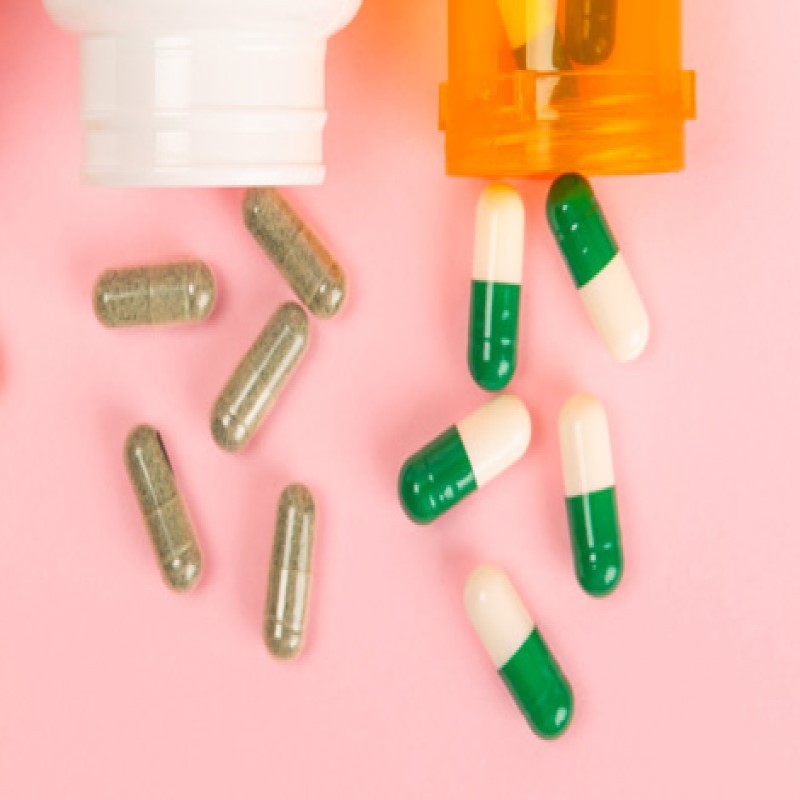
It often feels like everywhere we look, there's a new capsule supplement promising to boost our health, sharpen our minds, or build our muscles. With so many options, from daily vitamins to specialized brain boosters and muscle growth aids, it can be hard to know what's truly effective and what's just marketing hype. Join me as we dive into the fascinating and sometimes confusing world of the capsule supplement market, exploring their claims, understanding their efficacy, and figuring out what truly impacts our health.
The Expanding Capsule Supplement Market: Why We're Buying
The dietary supplement industry is not just a niche market anymore; it's a global phenomenon. Understanding its sheer scale and the reasons behind our collective drive to purchase these products is the first step in becoming a more discerning consumer.
Booming Business
The capsule supplement market is a commercial powerhouse. In 2025, the U.S. dietary supplements market was valued at approximately $70 billion and is projected to grow significantly, with some estimates suggesting it could reach over $128 billion by 2033. This highlights a compound annual growth rate (CAGR) of around 7.8% to 8.5%. Other analyses predict the market could even expand to $190 billion by 2035, indicating a CAGR of over 9%.
This growth is fueled by a massive consumer base, as public health surveys show that more than 70% of adults in the United States take at least one dietary supplement. This widespread use has turned supplements into a mainstream consumer product. The market itself is vast, with the Food and Drug Administration (FDA) overseeing more than 90,000 different supplement products. Capsules, in particular, are a dominant form, capturing a majority of the market share because they effectively mask unpleasant tastes and protect sensitive ingredients.
Our Health Hopes
So, what fuels this incredible demand? Our reasons for turning to supplements are as diverse as the products themselves. A primary driver is the growing trend toward preventive healthcare. With many adults managing chronic diseases, there's a heightened focus on daily nutrition and ensuring micronutrient sufficiency.
Common motivations for taking supplements include:
- Addressing Nutritional Deficiencies: Many people struggle to get all essential nutrients from their diet alone, whether due to poor food choices, dietary restrictions like plant-based diets, or medical conditions that impair nutrient absorption. Supplements are seen as an "insurance policy" to fill these gaps.
- Supporting General Health and Well-being: A large percentage of consumers use supplements to support overall health, boost immune function, increase energy levels, and manage stress.
- Aging Population: As we age, our nutritional needs change. Older adults often require more specific nutrients like Vitamin D and calcium for bone health or Vitamin B12 to prevent anemia. With a growing senior population, the demand for supplements targeting age-related concerns is surging.
- Enhancing Physical and Cognitive Performance: Athletes and fitness enthusiasts often use products like protein powders and amino acids to improve performance and recovery, while others seek out supplements to support cognitive focus and mental health.
- Specific Health Conditions: Supplements are frequently used to manage specific health issues. For example, omega-3 fatty acids are taken for heart health, while folic acid is crucial for lowering the risk of certain fetal development issues during pregnancy.

Popular Choices
Given the vast array of options, consumer preferences often follow health trends and scientific research. In the U.S., some of the most consistently popular supplements include:
| Supplement Category | Examples & Common Uses | Popularity Insights |
|---|---|---|
| Vitamins & Minerals | Vitamin D, Vitamin C, Multivitamins, Magnesium, Calcium, B-Vitamins | Vitamins are the largest segment, holding a significant market share. Use of magnesium and Vitamin D has seen notable growth, often linked to bone health, immune function, and stress management. |
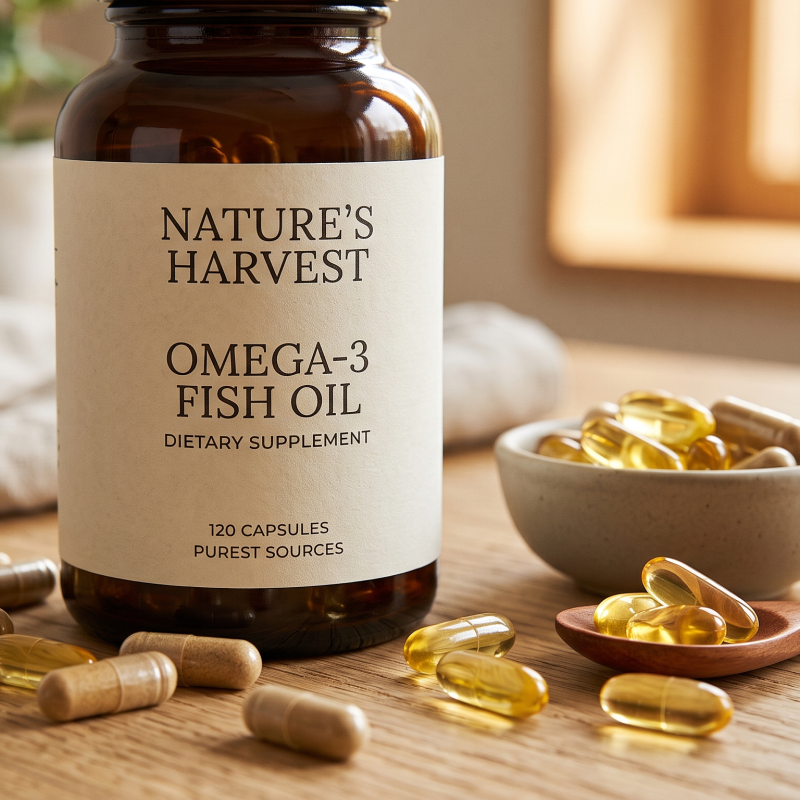
| Oils & Fatty Acids | Fish Oil (Omega-3s) | Fish oil is often cited as the most popular single supplement, recommended for its benefits to heart health. |
| Botanicals/Herbals | Turmeric (Curcumin), Probiotics, Elderberry | Probiotics have surged in popularity for their role in digestive and immune health. Turmeric is valued for its anti-inflammatory properties. |
| Specialty Supplements | Collagen, CoQ10, Melatonin, Glucosamine/Chondroitin | Collagen is popular for skin and joint health, while melatonin is widely used for sleep support. The popularity of these often rises and falls with new research findings. |
Interestingly, consumer trends shift in response to media and scientific reports. For instance, the use of weight loss supplements saw a significant decline after a study was retracted and government scrutiny increased. Conversely, supplements like magnesium and probiotics have seen their popularity climb as more positive research emerges about their benefits.
Unpacking Efficacy and Regulation in the Capsule Supplement Market
While the supplement market is vast and growing, the landscape of its effectiveness and oversight is complex and often misunderstood. Peel back the label, and you'll find a significant gap between marketing promises and proven science, largely due to a unique regulatory environment.
Science vs. Claims
One of the most critical aspects for consumers to understand is the difference between a marketing claim and scientifically substantiated efficacy. While some supplements, like folic acid for prenatal health, are backed by extensive research, many others are not. The scientific evidence for dietary supplements varies dramatically from product to product.
Manufacturers can make several types of claims on their labels:
- Structure/Function Claims: These describe the role of a nutrient or ingredient on the normal structure or function of the human body, such as "Calcium builds strong bones." These claims do not require pre-market approval from the FDA, but the manufacturer must have evidence that the claim is truthful and not misleading.
- Health Claims: These show a link between a supplement and a reduced risk of a disease or health-related condition, like "calcium and a lower risk of osteoporosis." These claims require a higher standard of evidence and pre-market approval by the FDA.
- Nutrient Content Claims: These describe the level of a nutrient in the product, using terms like "high in calcium" or "excellent source of vitamin C."
The challenge for consumers is that terms like "scientifically proven" can be ambiguous. A company might base this claim on broad research on an ingredient, not on studies of their specific product with its unique formulation and dosage. High-quality evidence typically comes from human clinical trials, specifically randomized controlled trials, which are considered the gold standard. However, many claims are based on lower-quality evidence like laboratory studies, animal studies, or observational data, which are not sufficient on their own to prove a cause-and-effect relationship in humans.
Loose Oversight
A primary reason for the chasm between claims and proven efficacy is the regulatory framework in the United States. Unlike pharmaceutical drugs, dietary supplements are not required to be proven safe and effective by the FDA before they are sold. This framework was established by the Dietary Supplement Health and Education Act of 1994 (DSHEA).
Under DSHEA, supplements are regulated more like a category of food than drugs. Here’s what that means for you:
- No Pre-Market Approval: Manufacturers are responsible for ensuring their products are safe and that any claims are substantiated. However, they don't need FDA approval to begin selling their products (unless it contains a "new dietary ingredient" not marketed before 1994).
- Burden of Proof is on the FDA: The FDA's role is primarily reactive. The agency must prove that a supplement is unsafe after it is already on the market to take action, such as issuing a recall. This is the opposite of the drug approval process, where manufacturers must prove safety and efficacy upfront.
- Risk of Contaminants and Misbranding: The lack of strict pre-market oversight creates risks. Studies have found supplements contaminated with unapproved drugs (like sildenafil in sexual enhancement products), heavy metals, or other harmful substances. Products may also not contain the amount of the ingredient stated on the label or could be misbranded entirely.
This "Wild West" environment places a significant burden on consumers to be skeptical and do their own research. While DSHEA authorizes the FDA to establish Good Manufacturing Practices (cGMPs) to ensure quality, the agency's ability to monitor the tens of thousands of products on the market is limited.
Beyond the Capsule Supplement Market: Holistic Paths to Well-being
While the allure of a quick fix is strong, the most reliable and powerful route to health isn't found in a bottle. True well-being is built on a foundation of holistic, evidence-based lifestyle choices. Before reaching for a supplement, consider these foundational pillars of health.
Food is Medicine
The single most effective way to get the nutrients your body needs is through a balanced and varied diet. Whole foods provide a complex synergy of vitamins, minerals, fiber, and phytochemicals that simply cannot be replicated in a single capsule.
The concept of bioavailability—how well your body can absorb and use a nutrient—is key. Nutrients from whole foods are generally more bioavailable because they come packaged with natural co-factors that aid in digestion and absorption. For instance, an orange provides vitamin C along with fiber, flavonoids, and other compounds that work together. While some studies show that synthetic and natural vitamin C are equally bioavailable, consuming it from a whole food provides countless other micronutrients and health benefits simultaneously.
Relying on supplements instead of a nutritious diet means you miss out on crucial components like dietary fiber, which is essential for gut health and preventing conditions like heart disease and type 2 diabetes. While supplements can be useful for specific, diagnosed deficiencies (like vitamin D in certain climates or iron for anemia), they should be considered a complement to, not a replacement for, a diet rich in whole foods.
Exercise Your Brain and Body
Physical activity is one of the most potent "medicines" available for both physical and mental health. Its benefits are extensive and well-documented by decades of research.
For the Body: Regular physical activity is a cornerstone of disease prevention. It helps manage and prevent noncommunicable diseases such as cardiovascular issues, cancer, and diabetes. It strengthens the heart, improves circulation, helps maintain a healthy weight, and promotes bone health.
For the Brain: Exercise has profound effects on cognitive function and mental well-being. It improves blood flow to the brain, which is crucial for its health and function. Regular aerobic activity has been shown to increase the size of the hippocampus, the brain region vital for memory and learning.
Furthermore, exercise stimulates the release of mood-enhancing hormones like endorphins, serotonin, and dopamine, which can reduce symptoms of depression and anxiety. Studies consistently show that physically active individuals have a lower risk of cognitive decline, Alzheimer's, and other forms of dementia. The World Health Organization notes that sufficient physical activity enhances brain health and can improve overall well-being.
Sleep and Support
The Power of Sleep: Quality sleep is not a luxury; it is a biological necessity. During sleep, your body performs critical housekeeping tasks, including repairing cells, removing waste products, and, crucially, consolidating memories. Sleep is also fundamental to a robust immune system. While you rest, your body releases proteins called cytokines, which are essential for fighting infection and inflammation. Studies show that people who don't get enough quality sleep (typically 7-9 hours for adults) are more susceptible to infections like the common cold and flu. Chronic sleep deprivation can weaken your immune system and even make vaccines less effective.
The Need for Social Connection: Humans are inherently social creatures, and our well-being is deeply tied to our relationships. A vast body of evidence links strong social connections to better mental and physical health. Feeling a sense of belonging, purpose, and self-worth is boosted by positive social interactions. These connections provide emotional support, which helps buffer stress and reduces the risk of depression and anxiety.
Conversely, social isolation and loneliness are significant risk factors for poor health outcomes. They have been linked to an increased risk of depression, premature death, and a weakened immune system. Nurturing relationships with family, friends, and your community is a powerful, non-negotiable component of a healthy life.
Key Takeaways
- The Market is Booming: The capsule supplement market is a multi-billion dollar industry in the U.S., driven by a widespread consumer focus on preventive health, aging, and performance enhancement.
- Regulation is Limited: Supplements are regulated as food, not drugs, under the 1994 DSHEA law. This means they do not require FDA approval for safety or efficacy before being sold, and the agency's oversight is primarily reactive.
- Claims vs. Reality: There is often a significant gap between marketing claims and the scientific evidence supporting a supplement's effectiveness. Consumers should be wary of claims that sound too good to be true and look for high-quality human clinical trials.
- Whole Foods First: The most reliable and bioavailable source of nutrients is a balanced diet rich in whole foods like fruits, vegetables, lean proteins, and whole grains. Supplements cannot replicate the complex synergy of nutrients found in real food.
- Lifestyle is Potent Medicine: Foundational health practices—regular physical exercise, adequate sleep (7-9 hours for adults), and strong social connections—are far more powerful for long-term health, disease prevention, and mental well-being than any supplement.
Frequently Asked Questions (FAQ)
Q1: Are capsule supplements regulated by the FDA?
Yes, but differently than drugs. The FDA regulates dietary supplements under the Dietary Supplement Health and Education Act (DSHEA) of 1994. Under this law, supplements are treated more like food. Manufacturers are responsible for ensuring their product is safe, but they do not need to prove safety or effectiveness to the FDA before the product is marketed. The FDA's role is largely to take action after an unsafe product is already on the market.
Q2: Can I get all the nutrients I need from food alone?
For most healthy individuals, a well-balanced and varied diet can provide all necessary nutrients. Whole foods offer a complex array of vitamins, minerals, fiber, and other compounds that work together for optimal absorption and health benefits. Supplements may be necessary for specific deficiencies diagnosed by a healthcare professional, for certain life stages like pregnancy, or for those with dietary restrictions (e.g., Vitamin B12 for vegans).
Q3: How can I choose a safe and effective supplement?
If you and your healthcare provider decide a supplement is necessary, look for third-party certifications on the label from organizations like NSF International, U.S. Pharmacopeia (USP), or ConsumerLab.com. These seals verify that the product contains what the label says it does, is free from harmful contaminants, and was manufactured according to good practices. However, these certifications do not guarantee that the product is effective. Always be skeptical of dramatic claims and consult with a doctor or registered dietitian.
Q4: What's more important for my health: taking a multivitamin or getting enough sleep?
Getting enough high-quality sleep is fundamentally more important for your overall health. Sleep is critical for immune function, cognitive health, hormone regulation, and cellular repair. While a multivitamin might help fill small nutritional gaps, it cannot compensate for the wide-ranging negative effects of chronic sleep deprivation. Prioritizing foundational health habits like sleep, exercise, and a balanced diet will always yield greater health benefits than relying on supplements.
Conclusion
As we've explored the vast capsule supplement market, it's clear that while these products are widely available, their efficacy varies greatly, and many claims lack solid scientific backing. The regulatory landscape allows a plethora of options to reach the shelves, but it places the responsibility of discernment squarely on the consumer's shoulders.
Ultimately, relying on a balanced diet, regular exercise, sufficient sleep, and engaging our minds remains the most proven and powerful recipe for our overall health and well-being. These foundational pillars work in concert to build a resilient body and a sharp mind in a way that no isolated pill can.
I encourage you to approach the capsule supplement market with a critical eye, prioritize these proven lifestyle choices, and always consult with a healthcare professional before adding any new supplement to your routine. Your long-term health is worth more than a quick fix.