What Are Tablet Dietary Supplements? A Complete Guide to Types, Benefits, and Formulation
- Share
- publisher
- Fornutra
- Issue Time
- Jul 6,2026
Summary
Tablets remain a widely used dosage form with precise dosing, high stability, and cost efficiency. Explore compressed, chewable, effervescent, and sustained-release types plus coating technologies.
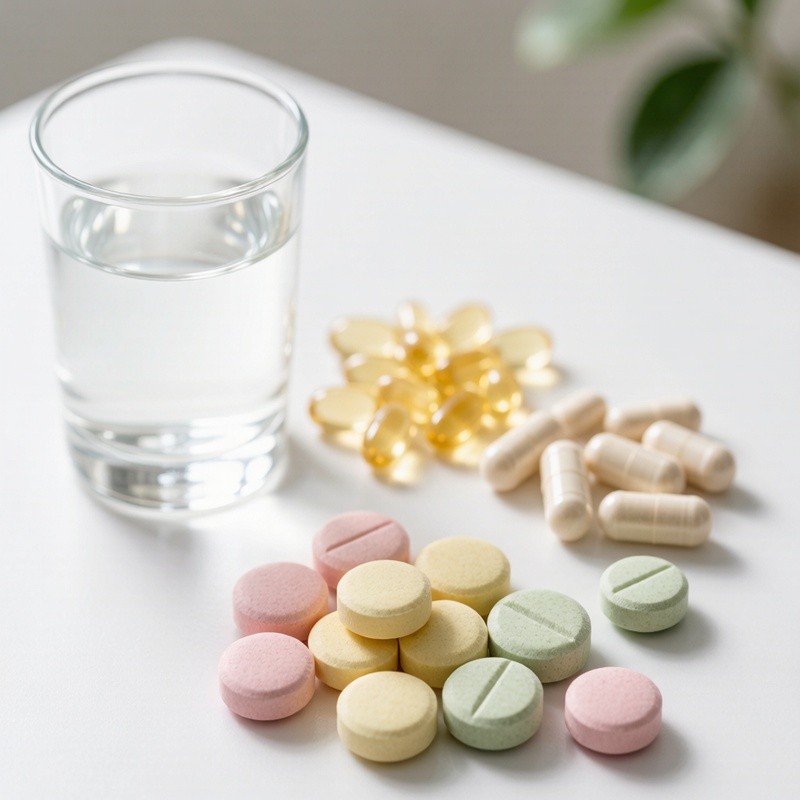
Tablet dietary supplements are among the most widely recognized and consumed dosage forms in the global nutrition industry. From multivitamins on pharmacy shelves to specialized mineral complexes in health food stores, tablets deliver precise amounts of active nutrients in a compact, stable, and cost-effective format. This guide walks through what tablet supplements are, the major types available, their formulation components, and the quality factors that brands and consumers should understand.
What Are Tablet Dietary Supplements?
A tablet dietary supplement is a solid dosage form created by compressing a precisely measured blend of active nutritional ingredients and functional excipients into a compact, easy-to-administer unit. Unlike capsules, which enclose powdered or liquid ingredients inside a gelatin or vegetable-based shell, tablets are formed through direct mechanical compression. This manufacturing approach gives tablets several inherent advantages, including the ability to hold higher concentrations of active ingredients per unit, excellent physical stability during storage, and lower production costs at scale.
Tablets are designed to deliver a specific dose of vitamins, minerals, botanical extracts, amino acids, enzymes, or other bioactive compounds. When ingested, the tablet disintegrates in the gastrointestinal tract, releasing its active ingredients for absorption. The rate and location of this release can be controlled through formulation and coating technologies, making tablets one of the most versatile dosage forms available to supplement manufacturers.
Key distinction: Tablets and capsules are often confused, but they differ fundamentally in structure. Tablets are compressed solids, while capsules enclose ingredients within a dissolvable shell. This structural difference affects everything from production cost to consumer preference.
Major Types of Tablet Supplements
Not all tablets are the same. Manufacturers can tailor the physical properties, coating, and release mechanism of a tablet to suit different active ingredients, target demographics, and therapeutic goals. Understanding these variations is essential for brands selecting the right format for their product line.
Compressed Tablets
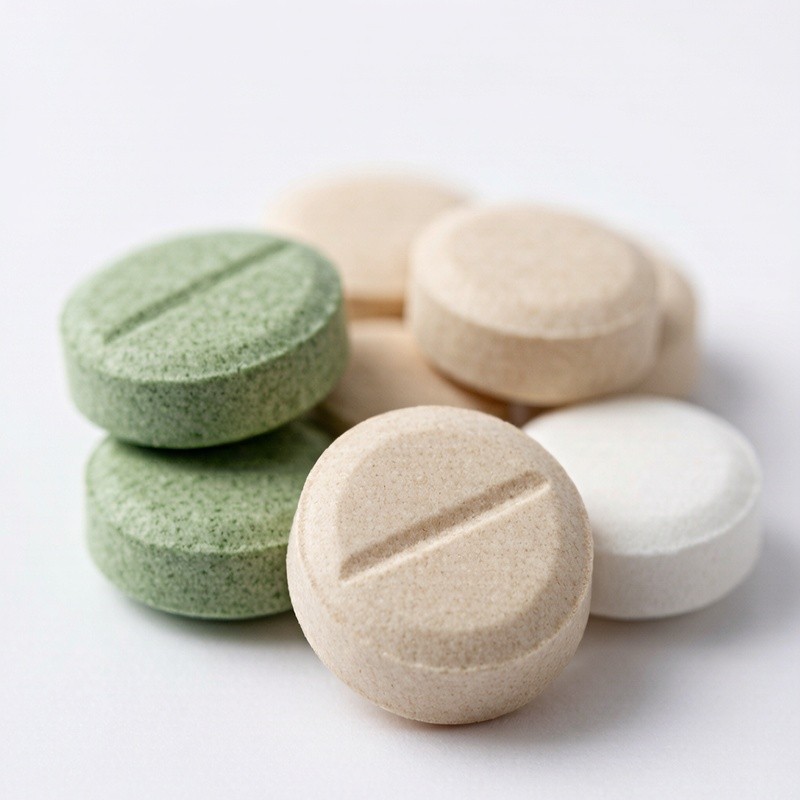
Compressed tablets are the most common and foundational type. They are produced by pressing a powdered blend of active ingredients and excipients into a solid form using a tablet press machine. The compression force, dwell time, and formulation characteristics determine the tablet's hardness, disintegration time, and overall quality. Compressed tablets are economical to produce at high volumes and can accommodate a wide range of active ingredient loadings, making them the default choice for standard multivitamins, mineral supplements, and single-nutrient products.
Chewable Tablets
Chewable tablets are formulated to be broken down by chewing rather than swallowed whole. They typically incorporate sweeteners, flavorings, and texture modifiers to create a pleasant taste and mouthfeel. This format is especially popular for children's supplements, calcium products, and vitamin C tablets. The chewable format eliminates the need to swallow a large solid unit, improving compliance among consumers who have difficulty swallowing pills. formulation requires careful attention to the balance between taste masking and active ingredient stability.
Effervescent Tablets
Effervescent tablets are designed to dissolve rapidly in water, releasing carbon dioxide and creating a fizzy beverage. This format combines a weak acid (typically citric acid) with a carbonate or bicarbonate salt (such as sodium bicarbonate). When dropped into water, the chemical reaction produces the characteristic fizz. Effervescent tablets offer several advantages: they are easier to consume for people who struggle with swallowing pills, the pre-dissolved state can enhance absorption, and the pleasant taste encourages consistent use. They are particularly popular for vitamin C, electrolyte, and immune-support formulations.
Sublingual and Buccal Tablets
Sublingual tablets are placed under the tongue, while buccal tablets are placed between the cheek and gum. Both formats allow active ingredients to be absorbed directly through the mucosal tissues, bypassing the digestive system and first-pass metabolism in the liver. This route can provide faster onset of action and higher bioavailability for certain nutrients. Vitamin B12, melatonin, and certain botanical extracts are commonly formulated as sublingual tablets.
Sustained-Release and Extended-Release Tablets
Sustained-release tablets are engineered to release their active ingredients gradually over an extended period, rather than all at once. This is achieved through specialized coating technologies, matrix systems, or layered formulations. The benefits include maintaining more consistent nutrient levels in the bloodstream, reducing the frequency of dosing, and minimizing gastrointestinal discomfort that can occur with high immediate doses. This format is often used for B-complex vitamins, iron, and energy-support formulations.
Key Benefits of the Tablet Dosage Form
The tablet format offers a compelling combination of precision, stability, and scalability that makes it the backbone of the dietary supplement industry. Understanding these benefits helps brands make informed decisions about their product development strategy.
- High ingredient loading capacity: Tablets can accommodate a higher concentration of active ingredients per unit compared to capsules or liquids, making them ideal for nutrients that require larger doses such as calcium, magnesium, and vitamin C.
- Excellent stability and shelf life: The solid, compressed structure protects sensitive ingredients from moisture, light, and oxidation more effectively than liquid or softgel formats, extending product shelf life.
- Precise and consistent dosing: Each tablet contains an exact, pre-measured amount of active ingredients, eliminating the variability that can occur with powders or liquids.
- Cost-effective at scale: Tablet production benefits from highly automated, high-speed manufacturing processes, resulting in lower per-unit costs compared to capsules or gummies, especially at large volumes.
- Versatile formulation options: Coatings, layering, and release-modifying technologies allow manufacturers to create customized products for taste masking, delayed release, sustained release, or targeted delivery.
- Compact and portable: Tablets are small, lightweight, and easy to transport, making them convenient for consumers who take supplements on the go.
Understanding Tablet Formulation: Active Ingredients and Excipients
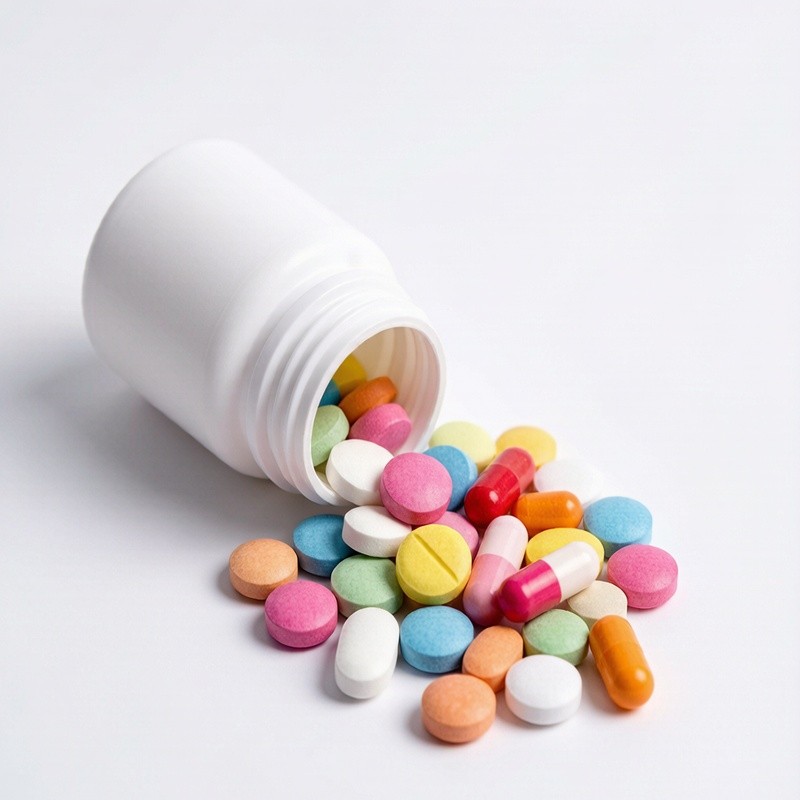
A tablet is far more than its active ingredient. The formulation is a carefully balanced system of functional excipients, each playing a specific role in ensuring the tablet can be manufactured efficiently, disintegrates properly, and delivers its nutritional payload effectively. Understanding these components is critical for appreciating the complexity of tablet development.
Active Ingredients
The active ingredients are the vitamins, minerals, botanical extracts, amino acids, or other bioactive compounds that provide the intended nutritional benefit. These can range from a single nutrient, such as a vitamin C tablet, to complex blends of dozens of vitamins and minerals in a multivitamin product. The physical and chemical properties of each active ingredient, including its particle size, solubility, and compressibility, influence the overall formulation strategy.
Excipients and Their Functions
Excipients are non-active substances that serve critical functions in the tablet formulation. While they do not provide nutritional benefits, they are essential for manufacturing a high-quality product.
Binders
Binders such as microcrystalline cellulose, starch, and polyvinylpyrrolidone (PVP) hold the powder mixture together, ensuring the tablet maintains its shape and structural integrity after compression.
Disintegrants
Disintegrants like croscarmellose sodium and sodium starch glycolate help the tablet break apart rapidly when it contacts moisture in the gastrointestinal tract, ensuring timely release of active ingredients.
Fillers (Diluents)
Fillers add bulk to formulations where the active ingredient dose is very small, ensuring the tablet reaches a practical size for handling and administration. Lactose and dicalcium phosphate are common choices.
Lubricants and Glidants
Lubricants like magnesium stearate prevent the powder from sticking to the tablet press punches, while glidants such as silicon dioxide improve powder flow properties during production.
Coating Technologies and Their Purpose
Tablet coatings serve multiple functions, from improving visual appeal to protecting sensitive ingredients and modifying release profiles. Coating is an optional but valuable step in tablet manufacturing that can significantly enhance product quality and consumer experience.
Film coatings are the most common type, consisting of a thin polymer layer applied to the tablet surface. These coatings can improve taste masking, make tablets easier to swallow, protect ingredients from light and moisture, and provide a professional appearance with brand-specific colors. Enteric coatings are a specialized type designed to resist stomach acid and dissolve only in the higher pH environment of the small intestine, protecting acid-sensitive ingredients and preventing stomach irritation. Sugar coatings, while less common in modern supplements, provide a traditional glossy finish and excellent taste masking for chewable formats.
Quality Standards: What to Look for in Tablet Supplements
Quality is paramount in dietary supplement manufacturing. Reputable manufacturers adhere to stringent quality standards to ensure that every tablet delivers the stated amount of active ingredients, disintegrates properly, and is free from contaminants. Key quality indicators include third-party certifications from organizations such as NSF International or USP, Good Manufacturing Practice (GMP) compliance, certificate of analysis (CoA) documentation for each batch, and rigorous testing for dissolution, disintegration, and contaminant levels.
Quality tip: When evaluating a tablet supplement manufacturer, look for cGMP certification, documented quality control protocols, and third-party testing. These indicators demonstrate a commitment to producing safe, effective, and consistent products. For more details, explore our supplement product catalog or learn about our manufacturing capabilities.
Frequently Asked Questions About Tablet Supplements
Are tablets as effective as capsules?
Yes, properly formulated tablets are equally effective as capsules. Both dosage forms are designed to disintegrate and release their active ingredients for absorption. The choice between tablets and capsules typically depends on factors such as ingredient loading requirements, cost considerations, consumer preferences, and the specific properties of the active ingredients.
Can all nutrients be formulated as tablets?
Most nutrients can be formulated as tablets, but some present challenges. Oils and liquid ingredients are better suited for softgel capsules. Highly hygroscopic or heat-sensitive ingredients may require special handling or alternative dosage forms. An experienced formulator can advise on the best approach for specific ingredients.
How should tablet supplements be stored?
Tablet supplements should be stored in a cool, dry place away from direct sunlight and excessive heat or moisture. The original container with its desiccant is designed to protect the tablets. Always check the product label for specific storage instructions.
What is the typical shelf life of tablet supplements?
Most tablet supplements have a shelf life of 24 to 36 months when stored properly. The stability of active ingredients, the quality of the formulation, and the packaging all influence the actual shelf life. Expiration dates on the label indicate the period during which the product maintains its stated potency.
Conclusion
Tablet dietary supplements represent a time-tested, versatile, and cost-effective dosage form that continues to dominate the global nutrition market. Their ability to deliver precise doses of active ingredients, accommodate high ingredient loadings, and support a wide range of release profiles makes them suitable for virtually any supplement category. By understanding the different types of tablets, the role of formulation components, and the importance of quality standards, brands can make informed decisions that align with their product development goals and consumer needs. Whether you are launching a single-nutrient product or a comprehensive multivitamin, the tablet format offers the reliability and flexibility to bring your vision to life.
To explore custom tablet supplement manufacturing options, visit our product catalog or contact our team for a consultation.