What Factors Determine Optimal Capsule Sizes and Materials for Supplements?
- Share
- publisher
- FORNUTRA
- Issue Time
- Jun 29,2026
Summary
Capsule material and size directly impact supplement stability and consumer appeal. Compare gelatin, HPMC, and pullulan to select the right option for your formulation.

When you reach for your favorite supplement, do you ever stop to think about the capsule it comes in? We often overlook these tiny vessels, but the truth is, the choice of capsule materials and even their sizes play a crucial role in how effective, stable, and appealing your supplement is.
At our core, we understand that finding the optimal capsule isn't just about what's inside; it's about making sure the entire product delivers on its promise. This involves a careful consideration of various factors that determine the best capsule sizes and materials for a supplement to truly shine.
Key Takeaways
- Capsule Material Matters: The choice between gelatin, HPMC, and pullulan capsules significantly impacts supplement stability, bioavailability, and consumer appeal. Gelatin is a cost-effective industry standard, HPMC is the leading plant-based option suitable for vegans and moisture-sensitive ingredients, while pullulan offers premium, eco-friendly benefits with superior oxygen protection.
- Size Determines Dosage and Comfort: Capsule size must be carefully selected to accommodate the required dosage while ensuring it is easy for the consumer to swallow. Sizes range from the large 000 to the small 5, and the right choice enhances user experience and compliance.
- A Holistic Selection Process: The optimal capsule is determined by a combination of factors including consumer preferences (vegan, kosher, halal), ingredient compatibility (moisture and oxygen sensitivity), brand positioning (premium vs. value), and regulatory compliance.
- Strategic Application: Gelatin is ideal for general-use, cost-effective formulations. HPMC is the go-to for vegan products and ingredients that are sensitive to moisture. Pullulan is best reserved for premium, organic products and highly oxygen-sensitive formulations like probiotics or certain oils.
Understanding the Diverse World of Capsule Materials for Supplements
Choosing the right material for a supplement capsule is a foundational decision that influences everything from manufacturing efficiency to consumer satisfaction. The three primary materials—gelatin, HPMC, and pullulan—each offer a distinct set of properties, benefits, and considerations. Understanding this diverse world is the first step toward creating a successful supplement product.
Gelatin Capsules: The Trusted Industry Standard
For decades, gelatin has been the predominant material for hard-shell capsules, earning its place as the industry's trusted standard. Derived from collagen, typically from bovine or porcine sources, it offers a unique combination of performance, cost-effectiveness, and consumer familiarity that keeps it relevant in a rapidly evolving market.
Why Gelatin Remains a Popular Choice
Gelatin's popularity is rooted in its excellent physicochemical properties and economic advantages. It is a GRAS (Generally Recognized As Safe) material that has been used in pharmaceuticals and supplements for over a century, establishing a long track record of safety and efficacy. Gelatin capsules provide a highly effective oxygen barrier, protecting many ingredients from degradation. They also dissolve quickly in the stomach, leading to rapid release and absorption of the active ingredients.
From a manufacturing perspective, gelatin is a highly efficient material. It performs exceptionally well on high-speed encapsulation machines, allowing for large-scale production with minimal waste. This efficiency, combined with its relatively low raw material cost, makes it the most budget-friendly option, which is a critical factor for many brands.
Considerations for Using Gelatin
Despite its many advantages, gelatin is not without its limitations. Its animal origin makes it unsuitable for consumers following vegan, vegetarian, or certain religious (e.g., Kosher, Halal) lifestyles, which can significantly narrow a product's market reach.
Furthermore, gelatin has a higher moisture content (typically 13-16%) compared to plant-based alternatives. This makes it less suitable for moisture-sensitive or hygroscopic ingredients, as the water can migrate from the capsule shell to the fill material, potentially causing degradation, clumping, or loss of potency. Gelatin capsules can also become brittle in low-humidity environments and sticky in high-humidity conditions, requiring more controlled storage. Finally, gelatin is prone to cross-linking, a reaction with certain ingredients that can impede the capsule's ability to dissolve properly.
HPMC Capsules: Our Preferred Plant-Based Alternative
As consumer demand for plant-based products continues to surge, Hydroxypropyl Methylcellulose (HPMC) has emerged as the leading vegetarian alternative to gelatin. Derived from plant cellulose, HPMC capsules offer comparable performance to gelatin while addressing its key limitations, making them our preferred choice for a wide range of modern supplement formulations.
The Benefits of Our Plant-Derived Options
The primary advantage of HPMC capsules is their suitability for a broader consumer base. They are vegan, kosher, and halal certified, instantly making a product accessible and appealing to individuals with dietary restrictions. This aligns perfectly with the growing trend toward clean-label and plant-forward products.
Technically, HPMC capsules offer superior stability for certain formulations. They have a naturally low moisture content (around 4-7%), making them the ideal choice for moisture-sensitive and hygroscopic ingredients. This stability is maintained across a wide range of temperature and humidity conditions, preventing the brittleness or stickiness associated with gelatin. HPMC capsules also show no risk of cross-linking, ensuring consistent dissolution performance over the product's shelf life.
What to Keep in Mind About HPMC Materials
While HPMC is an excellent alternative, there are factors to consider. The raw material and manufacturing process for HPMC capsules are more complex than for gelatin, resulting in a higher cost per unit. This can impact the final retail price of a supplement, making it a more premium option.
Additionally, the dissolution of HPMC is not dependent on pH, which can be an advantage for some applications but may affect the release profile of certain drugs or nutrients compared to gelatin. While they perform well on most encapsulation machines, some minor adjustments may be needed when switching from gelatin to ensure optimal efficiency.
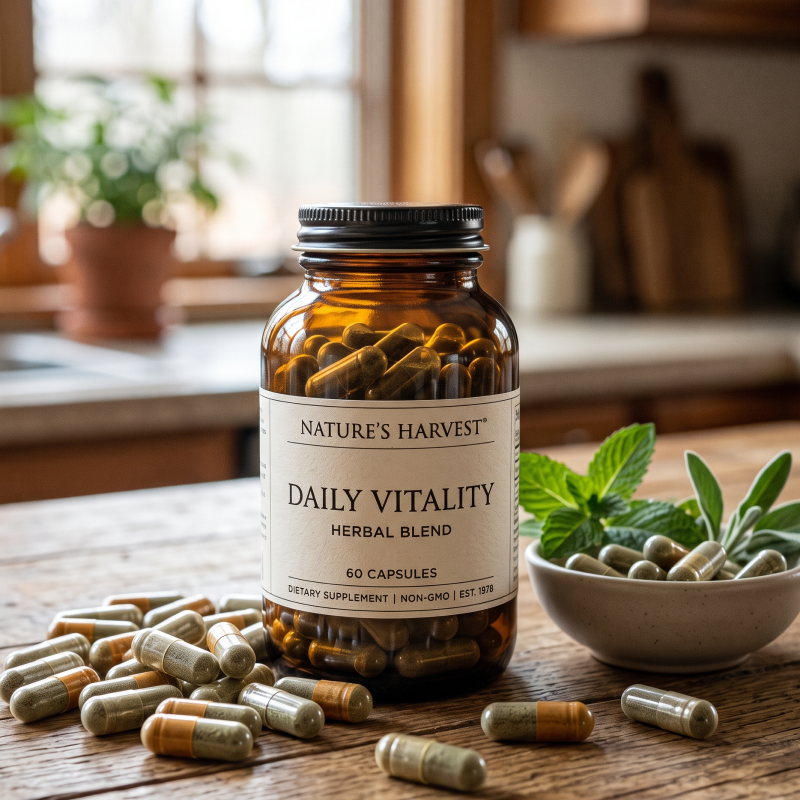
Pullulan Capsules: The Premium, Eco-Friendly Choice
For brands looking to position their products at the highest end of the market, pullulan capsules offer a compelling combination of premium quality, natural origins, and superior performance. Pullulan is a natural, water-soluble polysaccharide produced through a fermentation process, making it a truly 'natural' plant-based option that stands out from semi-synthetic HPMC.
Discovering the Advantages of Pullulan
The most significant advantage of pullulan is its exceptional oxygen barrier. Its polymer structure is significantly less permeable to oxygen than both gelatin and HPMC, offering an unparalleled level of protection for highly oxygen-sensitive ingredients like probiotics, antioxidants, and certain oils. This can lead to a longer shelf life and better maintenance of the product's potency.
Pullulan capsules are crystal clear and have a high-gloss finish, which gives them a visually appealing, premium look. They are also tasteless, odorless, and dissolve quickly. As a product of natural fermentation, they can be used in products certified as organic in the United States and other regions, which is a major draw for the eco-conscious consumer.
Factors Affecting Pullulan Selection
The primary consideration for selecting pullulan is its cost. It is the most expensive of the three main capsule types, which generally reserves its use for high-value, premium-priced supplements where the added cost can be justified by the enhanced protection and marketing claims.
While pullulan performs well, its supply chain is less extensive than that of gelatin or HPMC, which can sometimes be a factor in large-scale production planning. Like HPMC, it has a low moisture content, making it suitable for moisture-sensitive fills. However, its primary differentiator remains its superior oxygen barrier and organic-friendly status.
The Critical Role of Capsule Sizes in Supplement Delivery
Beyond the material, the physical size of the capsule is a critical factor that directly impacts dosage accuracy, manufacturing feasibility, and, most importantly, the end consumer's experience. Choosing the right size is a balancing act between fitting the required dose and ensuring the final product is easy and pleasant to take.
Matching Size to Dosage and Ingredients
Empty capsules come in a standardized range of sizes, designated by numbers. The largest commonly used size for supplements is '000' (triple zero), and they decrease in size down to '5', which is the smallest. Each size has a specific fill volume capacity, which, depending on the density of the powder or granules being encapsulated, determines the final weight of the active ingredients it can hold.
The primary technical goal is to select the smallest capsule size that can comfortably accommodate the target dosage. Using a needlessly large capsule is inefficient and can be off-putting to consumers. The density of the fill material is a crucial variable; a light, fluffy powder like magnesium stearate will require a larger capsule to achieve the same weight as a dense powder like granulated vitamin C.
Here is a general guide to capsule sizes and their approximate fill capacities:
| Capsule Size | Volume (mL) | Approx. Powder Fill Weight (mg) @ 0.8g/mL |
|---|---|---|
| 000 | 1.37 | 1100 |
| 00 | 0.95 | 760 |
| 0 | 0.68 | 540 |
| 1 | 0.50 | 400 |
| 2 | 0.37 | 300 |
| 3 | 0.30 | 240 |
| 4 | 0.21 | 170 |
| 5 | 0.13 | 100 |
Note: Fill weight is highly dependent on powder density and can vary significantly.
Improving Consumer Experience with Optimal Capsule Sizes
The consumer experience is paramount. A significant portion of the population, particularly older adults and children, has difficulty swallowing pills (dysphagia). Large capsules, such as sizes '00' and '000', can be intimidating and difficult to swallow, leading to poor compliance—meaning the customer stops taking the supplement.
Therefore, there is a strong incentive to use the smallest size possible. Sizes '0' and '1' are often considered a good balance, offering substantial fill capacity while remaining relatively easy for most adults to swallow. For products targeted at sensitive populations or for those who prefer smaller pills, sizes '2' through '4' are excellent choices, though they may require the consumer to take multiple capsules to achieve the desired dose. Market research and understanding the target demographic are key to making the right choice that enhances comfort and encourages consistent use.
Key Factors That Determine Our Capsule Material and Size Decisions
The decision-making process for selecting the perfect capsule is a multi-faceted analysis. It's not just about one single factor, but the intersection of consumer needs, ingredient science, brand identity, and technical requirements.
Consumer Preferences and Lifestyle Choices
Today's consumer is more informed and discerning than ever. Lifestyle choices and dietary restrictions play a massive role in purchasing decisions. A product targeting the vegan community absolutely must use a plant-based capsule like HPMC or pullulan. Similarly, claims like "non-GMO," "organic," or "clean label" are heavily influential. For global markets, having Kosher and Halal certifications, which are readily available for plant-based capsules, can open up significant new customer segments. Ignoring these consumer-driven trends means leaving a large portion of the market unaddressed.
Ingredient Compatibility and Product Stability Needs
The chemistry of the active ingredients is a non-negotiable scientific constraint. As discussed, hygroscopic or moisture-sensitive ingredients like certain herbal powders and probiotics demand a low-moisture capsule shell like HPMC or pullulan to prevent activation and degradation. Conversely, ingredients that are highly susceptible to oxidation, such as CoQ10, omega-3 oils, or vitamin K, benefit immensely from the superior oxygen barrier of a pullulan capsule. The capsule must be seen as the first line of defense in preserving the stability and potency of the formula from the moment it's packaged until it's consumed.
Brand Vision and Market Positioning
A brand's identity and how it wants to be perceived in the marketplace heavily influence capsule selection. A brand built on a "value" proposition, aiming to provide effective supplements at the most affordable price, will likely gravitate toward cost-effective gelatin capsules. In contrast, a luxury or boutique brand focused on premium, all-natural, or organic formulations will find that the higher cost of pullulan capsules is a worthwhile investment. The capsule itself becomes a part of the brand story, communicating quality, purity, or sustainability to the consumer before they even read the label.
Technical Performance and Regulatory Compliance
The capsule must perform flawlessly on the manufacturing line and meet all regulatory standards. This includes ensuring the capsule and fill material work together on high-speed encapsulation machines without issues like cracking, denting, or splitting, which can lead to costly downtime and product loss. Furthermore, the finished product must meet regulatory requirements for dissolution, meaning it must break down within a specified time frame in the body to release its contents. All materials used must be compliant with pharmaceutical and food-grade standards set by bodies like the FDA in the US and other international regulatory agencies.
Making the Right Choice: When to Select Specific Capsule Materials
With a clear understanding of the materials and influencing factors, we can develop a strategic approach to selecting the right capsule for the right aplication.
Choosing Gelatin for General Applications and Value
Gelatin remains the workhorse of the industry for good reason. It should be the default choice for:
- Cost-sensitive projects: When the final price point is a primary driver.
- Ingredients with no specific sensitivities: For robust vitamins, minerals, and herbs that are not sensitive to moisture or oxygen.
- Mainstream consumer products: Where dietary restrictions like veganism are not the primary market driver. Its proven track record and manufacturing efficiency make it an unbeatable choice for general-purpose supplements.
Opting for HPMC for Vegan, Moisture-Sensitive Formulations
HPMC is the solution when gelatin's limitations become a barrier. You should opt for HPMC capsules when:
- The product is targeted at vegans: This is non-negotiable. HPMC immediately allows for a "vegan-friendly" claim.
- The formula contains hygroscopic ingredients: To protect powders that attract moisture from the air, ensuring they remain free-flowing and stable.
- Global distribution is planned: The low moisture content makes HPMC capsules less susceptible to climate variations, making them more stable for shipping to diverse humidity zones.
Selecting Pullulan for Premium and Oxygen-Sensitive Ingredients
Pullulan is the material of choice for the most demanding and highest-value products. Select pullulan when:
- The product requires superior oxygen protection: This is critical for probiotics, enzymes, and polyunsaturated fatty acids (PUFAs) to maintain their viability and prevent rancidity.
- An "organic" claim is desired: Pullulan's fermented, natural origin makes it compatible with organic certification standards.
- The brand positioning is premium: The crystal clarity, glossy finish, and "natural" story of pullulan justify a higher price point and appeal to discerning consumers looking for the absolute best quality.
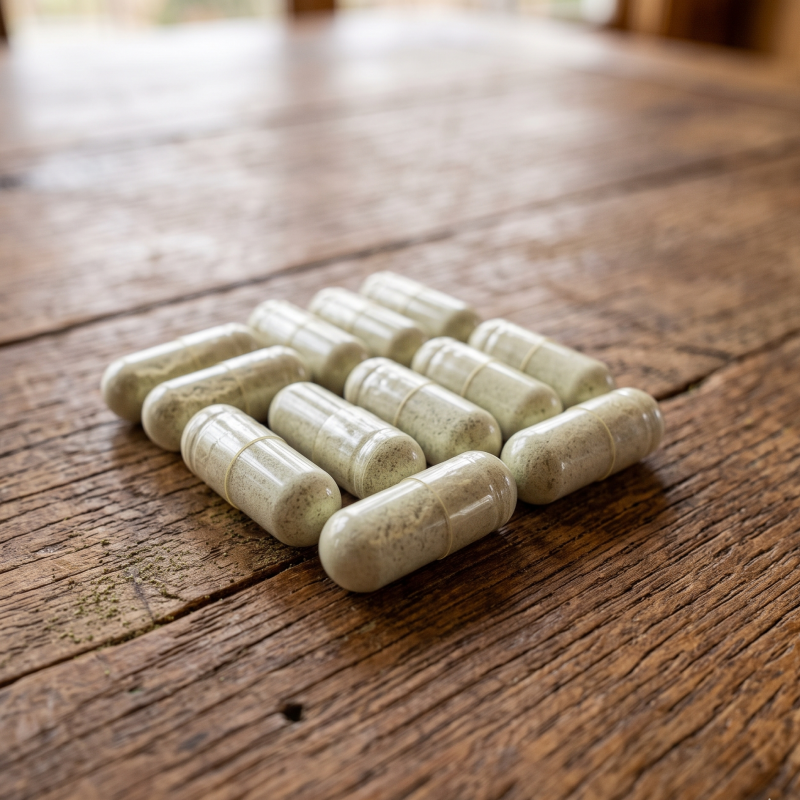
Our Commitment to Providing Optimal Capsule Solutions for Supplements
Navigating the complexities of capsule selection can be daunting. Our commitment is to simplify this process, providing not just a product, but a partnership. We empower brands to find the perfect encapsulation solution that aligns with their vision, budget, and formulation needs.
Reliable Access to All Capsule Types and Sizes
We maintain a comprehensive inventory of all major capsule types—gelatin, HPMC, and pullulan—in the full range of standard sizes from 000 to 5. This ensures that no matter your formulation or target audience, we have the right capsule in stock and ready for your production run. Our robust supply chain and quality control processes guarantee that you receive consistently high-quality capsules that meet all regulatory and performance standards, every single time.
Collaborating to Find Your Perfect Capsule Fit
We believe in a collaborative approach. Our team of experts works closely with you to understand the nuances of your product. We'll analyze your ingredient deck for potential sensitivities, discuss your target market and brand goals, and consider your budget constraints. By acting as your trusted advisor, we can guide you to the capsule material and size that will not only protect your product but also enhance its marketability and ensure a positive consumer experience. Your success is our success, and finding that perfect capsule fit is a journey we take together.
In conclusion, the selection of the ideal capsule material and size is a complex decision that balances science, consumer needs, and market trends. We strive to offer diverse options and expertise to guide you through this important choice.
By carefully evaluating all the determining factors—from ingredient compatibility and stability to consumer lifestyles and brand positioning—we can ensure that your supplements are delivered in a format that maximizes their efficacy, appeals to your target audience, and reflects your brand's commitment to quality.
Frequently Asked Questions (FAQ)
Q1: What is the main difference between gelatin and HPMC capsules? A1: The main difference is their origin and moisture content. Gelatin is animal-derived (from collagen), making it unsuitable for vegans, and has a higher moisture content (13-16%). HPMC is plant-derived (from cellulose), making it vegan-friendly, and has a low moisture content (4-7%), which is better for moisture-sensitive ingredients.
Q2: Are bigger capsules like size 000 always better? A2: Not necessarily. While larger capsules hold more ingredients, they can be difficult for many people to swallow. This can lead to poor consumer compliance. The best approach is to choose the smallest size that can accommodate the required dose to balance efficacy with user comfort.
Q3: Why are pullulan capsules so expensive? A3: Pullulan capsules are made from a natural polysaccharide produced via fermentation. This production process is more complex and costly than that for gelatin or semi-synthetic HPMC. Their premium price reflects their superior oxygen barrier properties, suitability for organic labeling, and natural origins.
Q4: Can any powder be put into any capsule? A4: No. Ingredient compatibility is crucial. Powders that are sensitive to moisture should not be put in high-moisture gelatin capsules. Ingredients sensitive to oxygen will benefit from the enhanced protection of pullulan. The chemical properties of the fill material must be matched with the properties of the capsule shell for optimal stability and shelf life.